The Anti-Corruption Bureau is requesting information about grants from the publication “Indigo”

On November 11, 2025, the publication “Indigo” released a statement from which it became clear that the Anti-Corruption Bureau had initiated proceedings against them based on the so-called Law on Grants adopted by “Georgian Dream.” “Since our entire activity is based on open communication and only your trust, we want you to know this news as well. Obviously, we continue and serve the mission that created us—we continue working for free speech and expression, for free thoughts and ideas,” the publication writes.

The amendments to the “Law on Grants” are one of the repressive changes adopted by the “Georgian Dream” parliament in recent months to restrict the media. The law came into force in April. These amendments prohibited the issuance of foreign grants without the permission of the government. A grant received without consent leads to a fine equal to double the amount of the grant received.

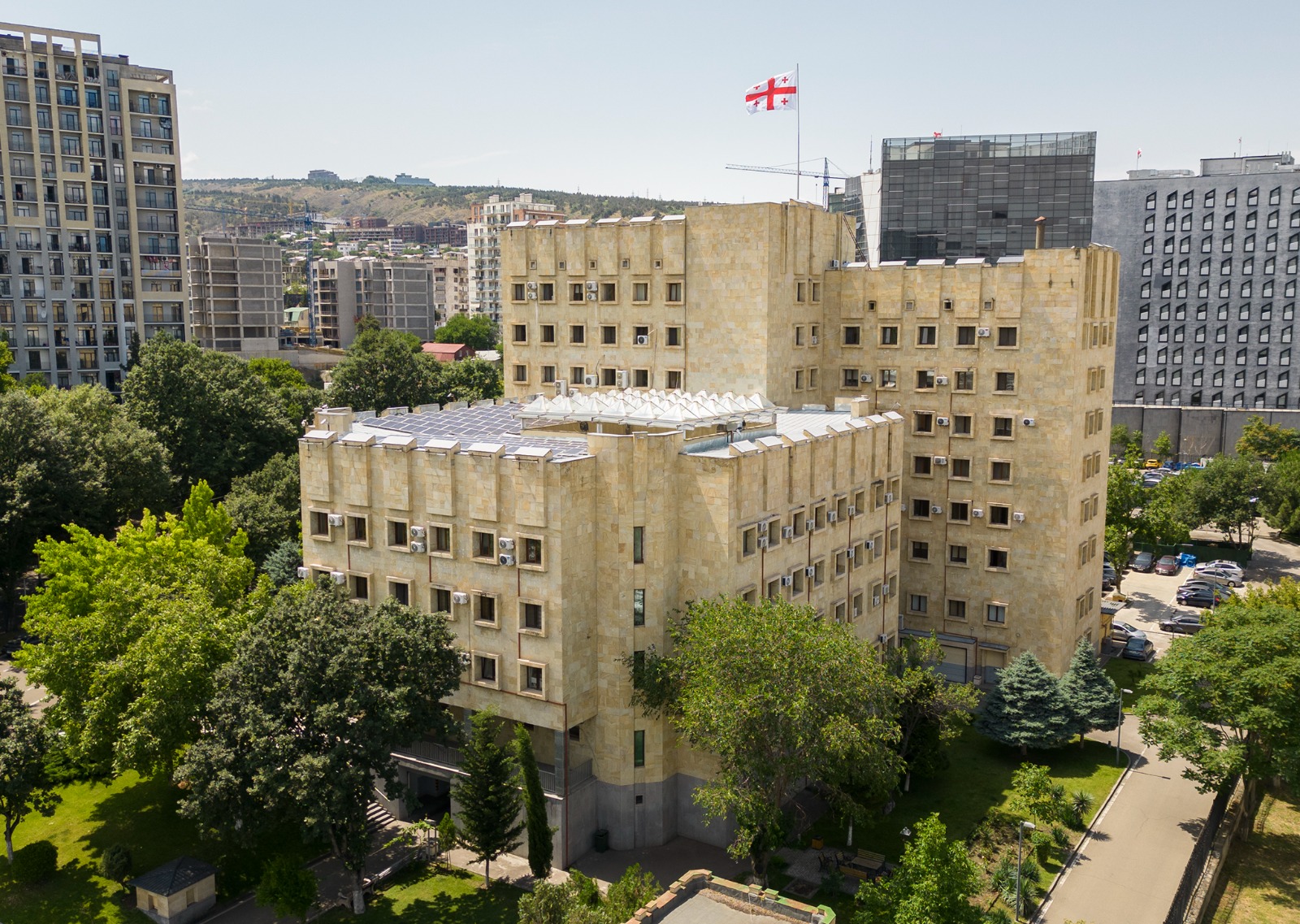
The Anti-Corruption Bureau carries out the monitoring of the issuance and receipt of grants. This agency has already initiated proceedings against several media outlets based on this law, including: “Project 64,” the investigative media “iFact,” the publication “Mountain News,” GMC, which manages the publications “Realpolitika” and “Flangvis Detector” (Waste Detector), Georgian Media Group, and also the organization working on media rights, the “Georgian Charter of Journalistic Ethics.”

In addition to media outlets, the Anti-Corruption Bureau is requesting information about grants from civil and non-governmental organizations as well; in total, the agency’s letter has been received by more than 60 organizations, including member organizations of the “Media Advocacy Coalition.”

“Georgian Dream” adopted laws restricting independent media

The “Georgian Dream” parliament adopted new, restrictive laws against independent and critical media through an accelerated procedure. These are the “Foreign Agents Registration Act” [FARA] and amendments to the “Law on Broadcasting” and the “Law on Grants.” These laws were adopted against a background of repression and violence taking place against activists and the media.

What the Restrictive Laws Entail:

Amendment to the Law “On Grants”

On April 16, 2025, “Georgian Dream” adopted the amendment to the “Law on Grants” in the third reading. According to the amendments:

  • The grant provider (donor) must apply to the Government of Georgia to receive consent for the issuance of a grant;
  • The grant recipient, if receiving a grant without consent, will be fined double the amount of the grant;
  • The Anti-Corruption Bureau is granted additional powers, such as—the right to request a financial report from a person, as well as the right to question a physical person;
  • The Anti-Corruption Bureau will be able to request “special category personal data” from public institutions, physical persons, and legal entities.

Non-governmental organizations responded to the amendment to the “Law on Grants” with a joint statement. “This law, by its essence and expected result, is an act of persecution against the people and aims to leave citizens face-to-face with the ruling party’s punitive system and prohibit international society’s support for them,” states the NGO declaration.

“Foreign Agents Registration Act” [FARA]

On April 1, 2025, the “Georgian Dream” parliament approved the “Foreign Agents Registration Act” [FARA]. The new law introduces the term “agent of a foreign principal.” According to the law’s definition, this may include an employee of an information service who “acts in Georgia for the benefit or interest of a foreign principal.” According to the law’s requirement, the registration application must be submitted to the Anti-Corruption Bureau, which the law grants broad authority, including the right to request any information “based on national security and public interests.” Unlike other laws restricting media adopted by the “Georgian Dream” parliament, violation of FARA’s requirements will lead to both financial sanctions and up to five years of imprisonment. The adoption of FARA was assessed as a law restricting independent civil organizations and the media. “The ‘Georgian Dream,’ at first glance, appears to want to adopt the seemingly inappropriate FARA for controlling public and media organizations due to the strict criminal legal mechanisms provided for in the law and the selective and politically motivated application of the law at the individual level. Representatives of the ruling team openly point this out, including Irakli Kobakhidze, Shalva Papuashvili, and Mamuka Mdinaradze. In contrast to the American reality, the ruling team envisions and imagines that it will use the instrumentalization of the American-named law to damage civil society, without the firmly established guarantees of protecting independent courts and freedom of expression and association in Georgia,” states the declaration of the Social Justice Center.

Amendments to the Law “On Broadcasting”

On the very day FARA was adopted, April 1, 2025, “Georgian Dream” adopted amendments to the “Law on Broadcasting.” According to the amendment, foreign funding of broadcasters was completely prohibited, and the authority of the regulatory body, the National Communications Commission, was significantly increased, specifically bringing journalists’ professional activities into the sphere of regulation. According to the amendments introduced to the law, a broadcaster is prohibited from receiving direct or indirect funding and a foreign force is prohibited from purchasing services from a broadcaster, except for advertising or product placement. According to the amendment, broadcasters are prohibited from receiving direct or indirect funding in exchange for placing social advertising. According to the law, a foreign force is considered: a) a subject constituting a system of authority of a foreign state; b) a physical person who is not a citizen of Georgia; c) a legal entity that is not founded under the legislation of Georgia; d) an organizational unit or other type of association of persons that is founded under the law of a foreign state and/or international law. The amendment also introduces detailed regulations regarding television and radio broadcasting standards, including due accuracy of fact and the right of reply. Additionally, regulations are added concerning the fairness and impartiality of fact, the inviolability of private life, the obtaining and transmission of information using covert methods, the coverage of armed conflict, accidents and other emergency situations, and specific issues regarding the protection of minors.

“Transparency International Georgia” declares that these laws threaten the existence of critically-minded independent media.

Along with these laws, since 2024, the Law “On Transparency of Foreign Influence,” also known as the “Russian Law,” has been in effect in Georgia, which “Georgian Dream” adopted last year despite widespread public opposition and international criticism, and which aims to register non-governmental and media organizations whose income exceeds 20% from foreign organizations as organizations carrying out the interests of a “foreign force.”

Another attempt by the Speaker of Parliament to discredit Netgazeti

On October 25, the Speaker of Parliament, Shalva Papuashvili, once again tried to discredit Netgazeti. In a post published on his social media account, Shalva Papuashvili referred to Netgazeti as “a propaganda media outlet supporting terrorists.”

Papuashvili attached to his post a screenshot of a Netgazeti article in which the outlet referred to Zviad Kvaratskhelia, who was detained during a pro-European rally, as a “prisoner of conscience.” It was precisely this term that angered the Speaker of Parliament from the Georgian Dream party. Critical media outlets, including Netgazeti, often use the term “prisoner of conscience” when reporting on those detained during pro-European demonstrations.

Shalva Papuashvili frequently attempts to discredit critical media outlets, including the online platform Netgazeti, through his social media posts.

A Georgian Dream representative verbally attacked journalists from TV Pirveli and Formula

On October 31, Georgian Dream representative from Tbilisi City Council, Otar Chrdileli, verbally abused journalists from TV companies “Formula” and “Pirveli”.

Otar Chrdileli told the journalists that they did not leave a “normal impression” mentally. The journalists asked Chrdileli questions about those detained during pro-European protests. The Georgian Dream representative also called critical TV channels “propagandists”.

Another Attack by “Georgian Dream” on “Batumelebi”/“Netgazeti” Founder Mzia Amaglobeli

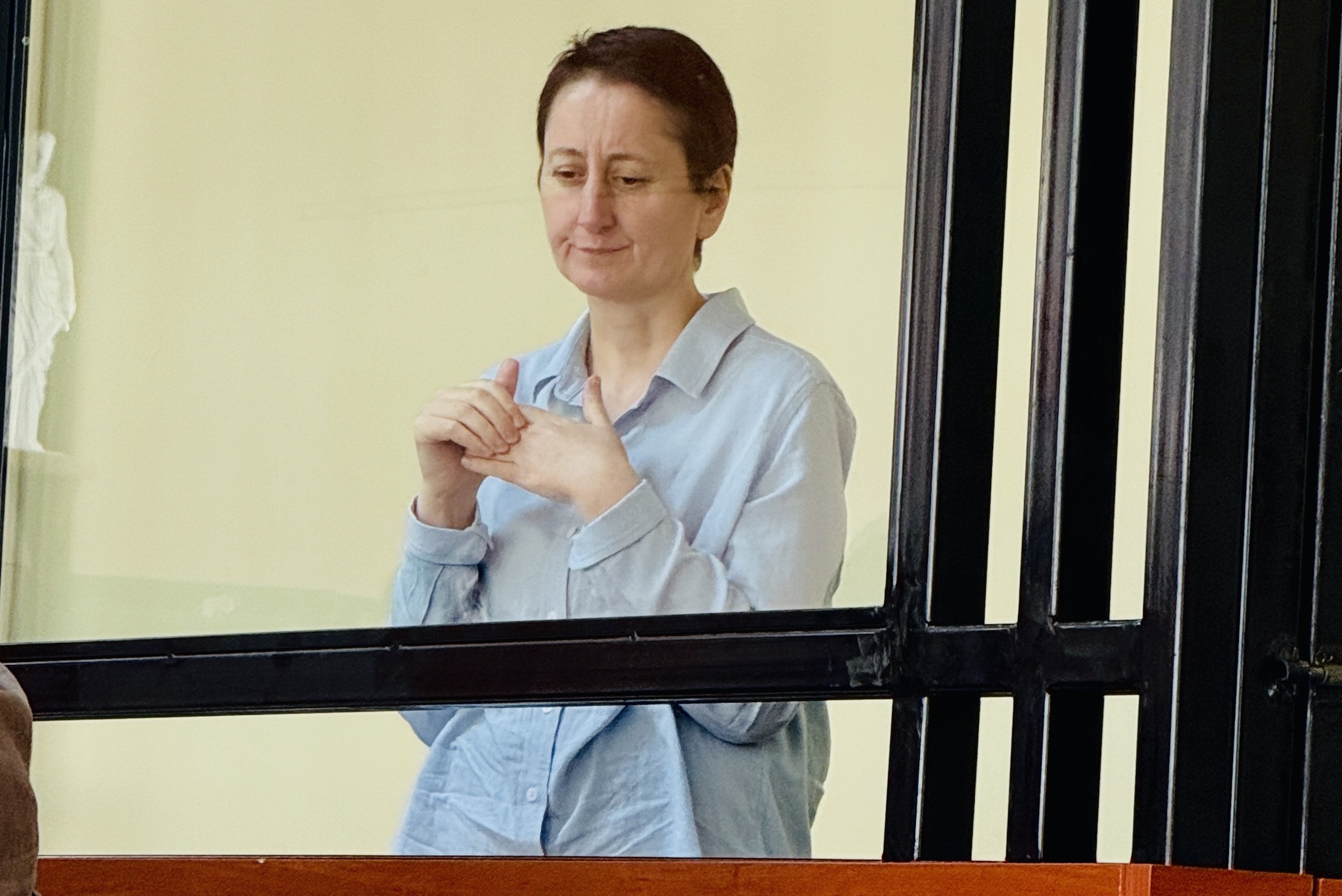
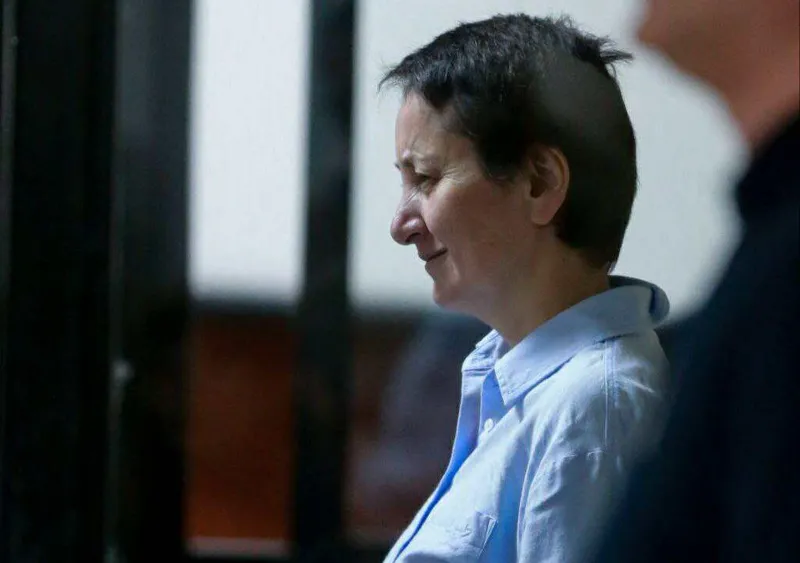
On October 10, 2025, the Georgian Dream referred to the founder of “Batumelebi”/“Netgazeti”, the prisoner Mzia Amaglobeli, as a perpetrator and “executor of the tasks of the deep state”. This statement by the Georgian Dream followed the presentation of the IPI-IMS World Press Freedom Hero Award to Mzia Amaglobeli.

“The decision to present the Hero Award to a criminal who deliberately attacked the police and with this action slapped not one specific law enforcement officer, but the entire system and the state, is another act of impudence, a mockery of Georgian society, a mockery of free speech and free media”, – said the press service of the Georgian Dream, Giorgi Grdzelishvili, at a briefing.
It is worth noting that this briefing was largely devoted to the topic of presenting the award to Mzia Amaglobeli. “The presentation of the Hero Award to Mzia Amaglobeli clearly shows the difficult situation of the international media, the international press…”, – said the spokesperson of the “Georgian Dream” at a special briefing.

On October 9, 2025, it became known that Mzia Amaglobeli, who was sentenced to 2 years in prison by the “Georgian Dream” court for slapping a police officer, is among the winners of the 2025 World Press Freedom Hero Award. The award is established by the International Press Institute IPI-IMS. A total of 7 journalists were named as the winners of the 2025 award. “This year’s award winners are examples of the threats facing journalists around the world, as authoritarianism takes hold, impunity prevails, and new challenges arise for freedom of expression,” – said the Executive Director of the IPI.

Former Prime Minister Irakli Gharibashvili Calls Journalists Disinformers

On October 4, 2025, on the day of local elections (which were boycotted by a large part of the pro-Western opposition), former Prime Minister of the Georgian Dream, Irakli Gharibashvili, who was at the polling station, called journalists from TV Pirveli and Formula “scoundrels” and “main fakers” at the 11th polling station in Tbilisi.

His response followed questions from journalists about whether he himself was expecting to be arrested, since everyone around him was being detained.

Georgian Dream President Mikheil Kavelashvili Calls TV Pirveli a Disinformation Outlet

On October 4, 2025, the day of the local self-government elections (which were boycotted by a large part of the pro-Western opposition), while at a polling station, Georgian Dream President Mikheil Kavelashvili called TV Pirveli journalist Ina Tsartsidze a “liar” and a representative of a “lying television.”

“You and your patrons are deceiving young people and the public, claiming that we are illegitimate,” Kavelashvili said in response to the journalist, who was trying to get an answer from him about whether he had been contacted by U.S. President Donald Trump.

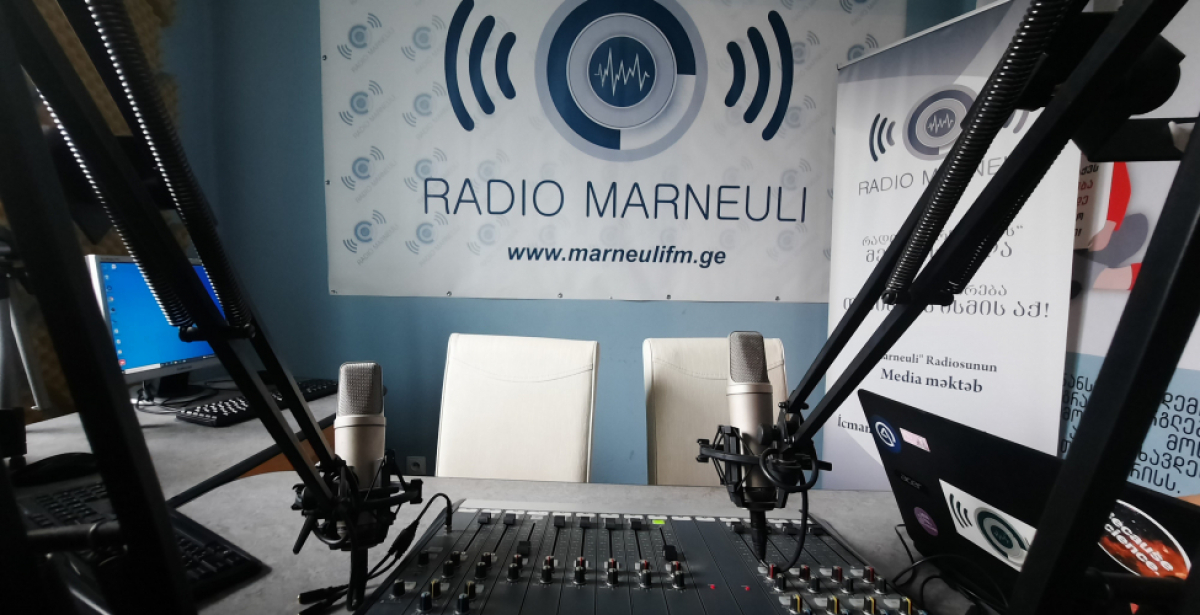
“Radio Marneuli” became the target of censorship and threats from members of “Georgian Dream”

Individuals associated with the ruling party, “Georgian Dream,” demanded that Radio Marneuli delete information about one of the party’s candidates, threatening legal action in court if the demand was not met.

The incident occurred on September 9, 2025. According to Radio Marneuli, they had shared a post on social media from an activist regarding alleged crimes of Gamlet Ismailov, the “Georgian Dream” majoritarian candidate in Dmanisi. The activist wrote that the party candidate had married his own underage student years ago in the Karabulakhi community of Dmanisi, where he also served as the school director. The post further mentioned that Ismailov allegedly concealed information about the forced marriage of another underage student at the school, who later became a victim of femicide.

After sharing this post, the editorial office received multiple calls from the candidate’s representatives, first demanding the post be deleted, and later threatening legal action.

Following this incident, the current mayor of Dmanisi, Koba Muradashvili, also associated with “Georgian Dream,” threatened Radio Marneuli with a lawsuit after a journalist called him for a comment on the information.

Six journalists injured near Tbilisi mayoral candidate, Kakha Kaladze’s, campaign headquarters

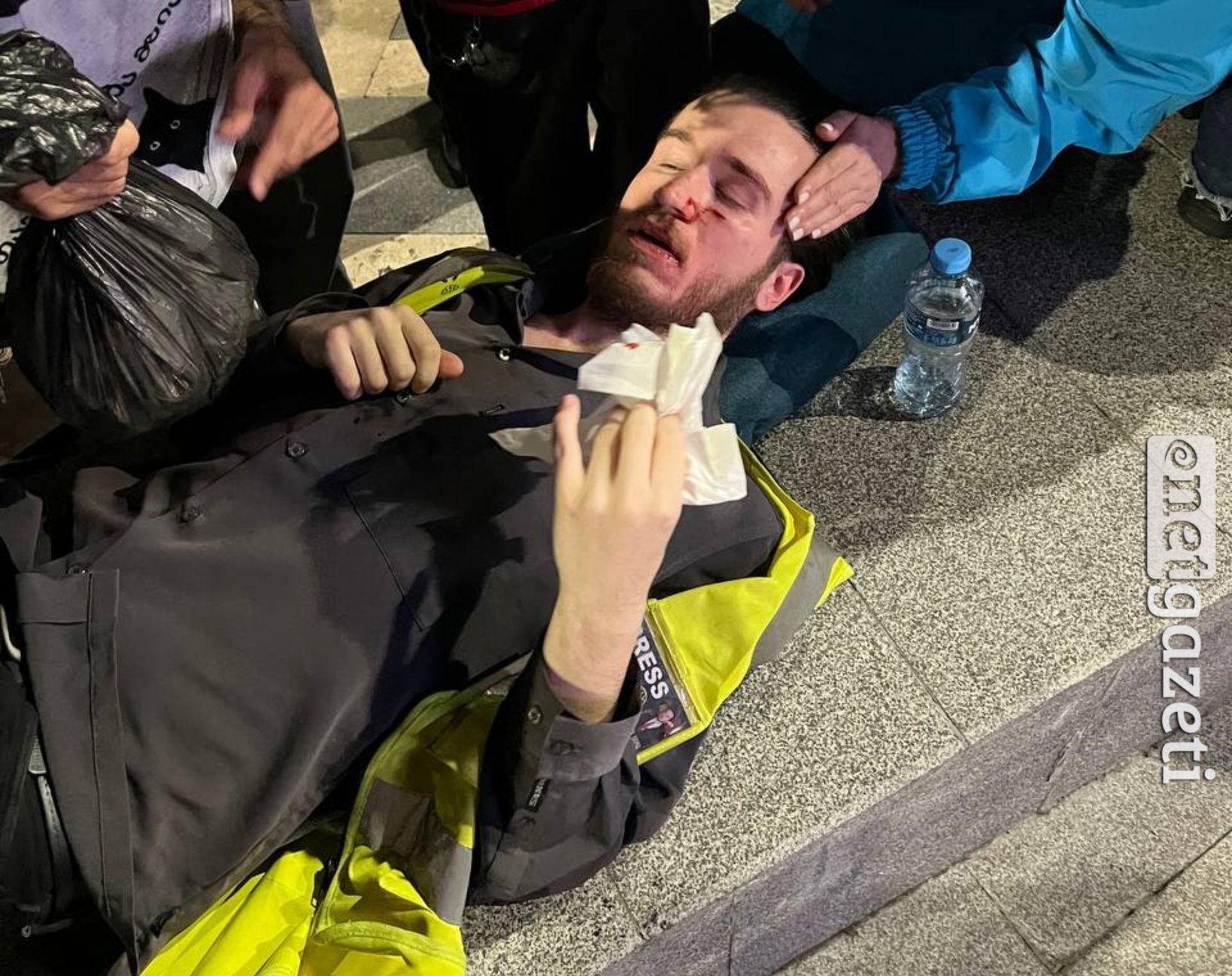
On September 8, 2025, while covering a rally outside the election headquarters of Georgian Dream’s Tbilisi mayoral candidate, Kakha Kaladze, party supporters and law enforcement officers assaulted journalists, verbally abused them, and confiscated mobile phones. One journalist required medical treatment.

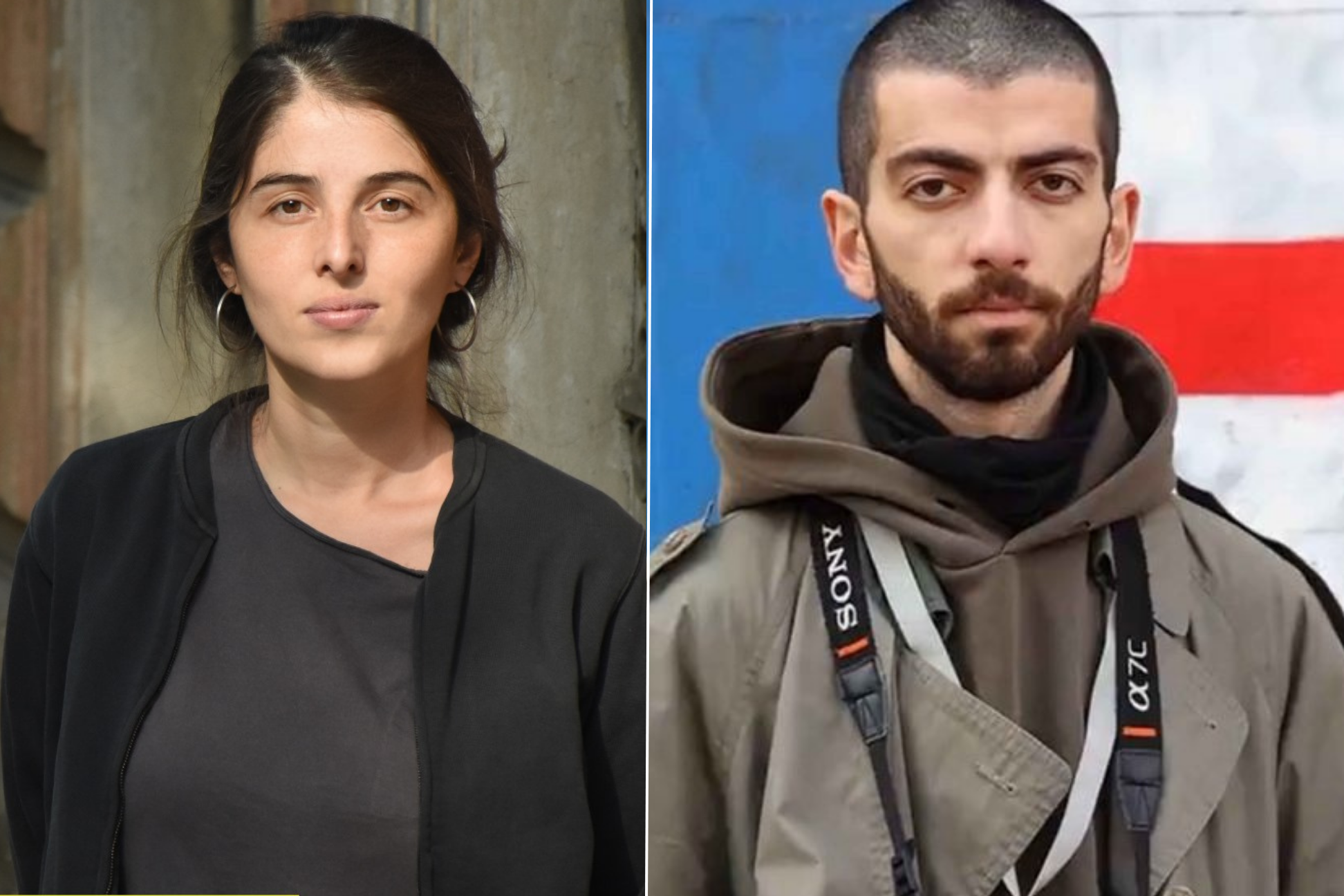
According to the online outlet Publika  two reporters, Aleksandre Keshelashvili and Keto Mikadze, were physically assaulted by Georgian Dream supporters while on assignment, and their mobile phones were seized. With the help of a Netgazeti journalist, they recovered only one device Keshelashvili’s phone [timecode: 1:14–1:20]. The outlet reports that it has video evidence showing who took the other phone and has called on that individual to return it, and on the Ministry of Internal Affairs to respond to the theft of editorial equipment and interference in journalistic work.

According to online Netgazeti, a police officer swore at its reporter Ketevan Khutsishvili, physically grabbed and dragged her, and interfered with her work while she was broadcasting live and filming the confrontation outside the headquarters, including the attack on the colleague – Aleksandre Keshelashvili. “They used rude and vulgar gestures to swear. Then a policeman came up to me, saying, ‘Don’t provoke me,’ grabbed me by the arms and dragged me. Then a second and a third came, and one of the policemen cursed me. After that, a man in a blue shirt came and also cursed me. Finally, they dragged me and threw me among the policemen, and one of them even grabbed my hand,” Khutsishvili says. [Video material, timecode: 0:30–2:32]

A Georgian Dream supporter poured a bottle of water over Mariam Nikuradze, OC Media’s founder and photojournalist, as she filmed police clearing protesters. “At that moment, one of the Georgian Dream supporters approached me and poured a whole bottle of water on my head in the presence of the police. The police didn’t say anything to him, I pushed him aside,” Nikuradze told MediaChecker.

An investigative journalist with Studio Monitor, Keti Tutberidze was also poured a bottle of water while she was performing her professional duties.

Hungarian journalist László Róbert Mézes suffered serious physical injuries after being assaulted by Georgian Dream supporters, who also attempted to seize his phone. He required medical attention.

The Media Advocacy Coalition condemned the incidents, stating that “attacks on independent media and impunity for perpetrators are part of Georgian Dream’s consistent policy,” and expressed solidarity with journalists “forced to perform their professional duties under a violent regime.”

The Georgian Charter of Journalistic Ethics “strongly condemns” the violence against journalists “against the backdrop of the criminal inaction and indifference of the police,” calling on the Ministry of Internal Affairs for an immediate response and on the Prosecutor’s Office to conduct an effective investigation.

Members of “Georgian Dream” and the police verbally and physically harassed journalists from “Publika”

On September 3, 2025, Beka Odisharia, a member of “Georgian Dream,” former MP, and candidate for Tbilisi City Council, verbally insulted “Publika” journalist Mindia Gabazde. Other members and supporters of “Georgian Dream” verbally and physically harassed and spat on the publication’s editor, Lika Zakashvili. The police, instead of protecting Zakashvili, interfered with her work by forcing her to stop filming through physical restraint.

The incidents occurred during the opening of the election campaign headquarters of “Georgian Dream” Tbilisi mayoral candidate Kakha Kaladze. The event took place against the backdrop of a protest, and journalists were attempting to cover the events.

Video footage recorded by “Publika” shows Beka Odisharia speaking insultingly to Mindia Gabazde after the journalist asked him a question. In the same episode, Odisharia also verbally abuses protest participants and other journalists present.

Lika Zakashvili became a target of “Georgian Dream” supporters when she tried to film their insulting actions toward activists. One person struck her and tried to take her mobile phone, then another approached from behind and spat on her. The footage shows that law enforcement did not intervene. On the contrary, in a subsequent clip, a police officer physically tried to stop Zakashvili from filming.

According to the Georgian Charter of Journalistic Ethics, “Impunity for crimes against journalists encourages perpetrators and drives them to commit more offenses.” The Charter calls on “Georgian Dream” to put an end to such practices, take responsibility, and ensure a safe working environment for journalists.

The Media Advocacy Coalition emphasized that this is not the first instance of violence against journalists by “Georgian Dream” supporters. “Under Bidzina Ivanishvili’s governance, we see systemic violence against independent media. Repressive legislation has been enacted against independent media. All of these incidents are part of a coordinated strategy aimed at suppressing independent media and critical voices in the country,” the coalition said.

UPDATE: Based on a complaint filed with the prosecutor’s office, on September 11, 2025, “Publika” editor-in-chief Lika Zakashvili was questioned. The prosecutor’s office opened a case based on Zakashvili’s statement.