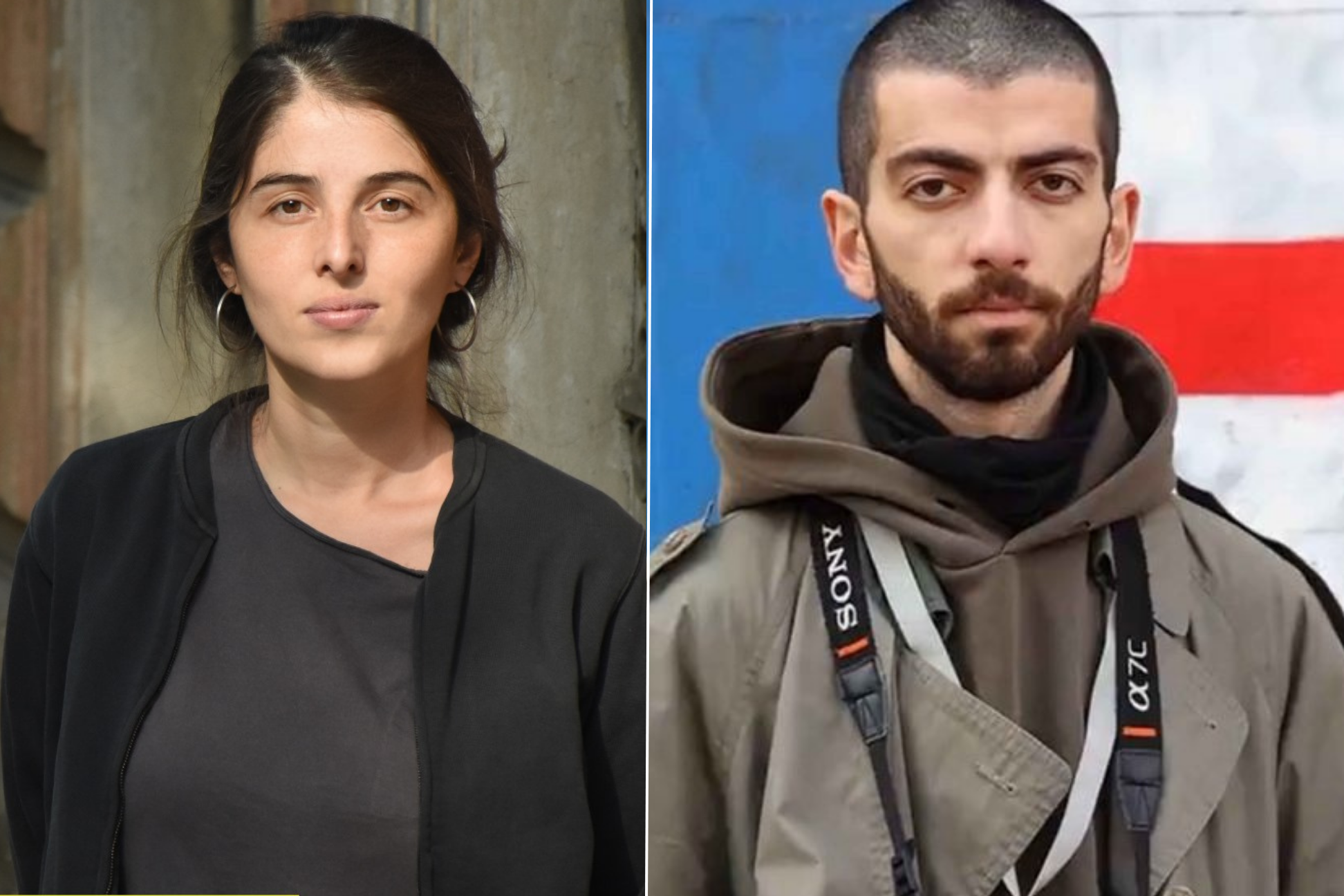
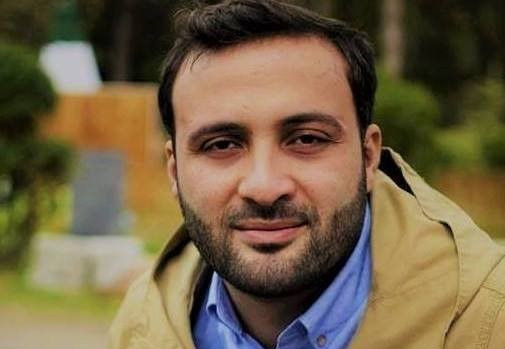
On March 19, 2025, Judge Tamar Makharoblidze of Tbilisi City Court ordered TV Pirveli journalists Mariam Gaprindashvili and Nanuka Kajaia to leave the courtroom.
The judge made this decision after the journalists inquired why they had not been granted permission to photograph the proceedings — a request they had submitted officially and in accordance with the law.
“The judge did not allow the journalists to finish speaking, told them they were not parties to the case and therefore had no right to speak. She first issued them a warning, and then expelled them from the courtroom,” according to a report by Radio Liberty.
The court session was related to a deliberate murder case that occurred on March 15 on Ilia Chavchavadze Avenue.
On March 26, 2025, the Parliament of Georgia suspended the accreditation of TV Pirveli journalist Nata Kajaia for six months.
The suspension is related to a report she produced about individuals detained during pro-European protests. Kajaia had approached parliamentary staff for interviews. After being refused, she continued trying to obtain answers from public officials.
“The reaction from Georgian Dream shows that they did not like the segment aired on Saturday, because we told the audience how the persecution is based on falsehoods — in a criminal case involving prisoners of conscience. I approached a parliamentary employee for an interview — the man whose testimony is part of the case against the prisoners of conscience,” Kajaia said in an interview with TV Pirveli.
The incident drew a response from the Media Advocacy Coalition, which stated:
“The regime is systematically abusing independent media. Journalists are being unlawfully obstructed in their professional work. There is a pattern of continuous attacks, intimidation, insults, and disinformation. To this day, no one has been held accountable — neither those who ordered nor those who carried out these systemic crimes.”
The rules for journalist accreditation in the legislature are defined by a decree issued by the Speaker of Parliament on February 6, 2023.
On March 26, 2025, journalists were denied entry to a session of the “Civil Advisory Council,” a consultative body of the Akhaltsikhe Municipality City Hall. Journalists from Samkhretis Karibche and TOK TV who arrived at the location were told that they could not enter the public institution because the meeting had already started.
According to Samkhretis Karibche, City Hall has not been providing information about the scheduling of council meetings for months. The media outlet also reports that this information is not being published publicly by the municipality.
On April 30, 2025, Formula TV journalists Eliso Jariashvili and Tata Forakishvili received notifications that their parliamentary accreditations had been suspended for one month.
In both cases, the journalists were attempting to obtain answers to critical questions from Georgian Dream party MPs. The parliamentary administration deemed this a violation of the “Rules for Accrediting Media Representatives in the Parliament of Georgia.”Tata Forakishvili’s accreditation was suspended at the request of Georgian Dream MP Nino Tsilosani, while Eliso Jariashvili’s suspension was initiated by MP Archil Gorduladze, also from the ruling party.
On April 29, 2025, a meeting of the Board of Trustees of the Georgian Public Broadcaster was held. In accordance with existing procedures, Nino Zautashvili, Vasil Ivanov-Chikovani, Giga Kitia, and Giorgi Iasashvili submitted written requests to attend the session. However, the board denied them access. Nino Zautashvili shared this information in a social media post.
As a reminder, Vasil Ivanov-Chikovani and Nino Zautashvili were dismissed from First Channel on April 11 of this year. Both journalists had openly expressed protest against the Georgian Dream party’s policies on air, supported the pro-European movement, and showed strong solidarity with Mzia Amaghlobeli, co-founder of Batumelebi and Netgazeti.
Giga Kitia had received a formal written warning on April 17, 2025, for his criticism of the Public Broadcaster’s editorial policy.
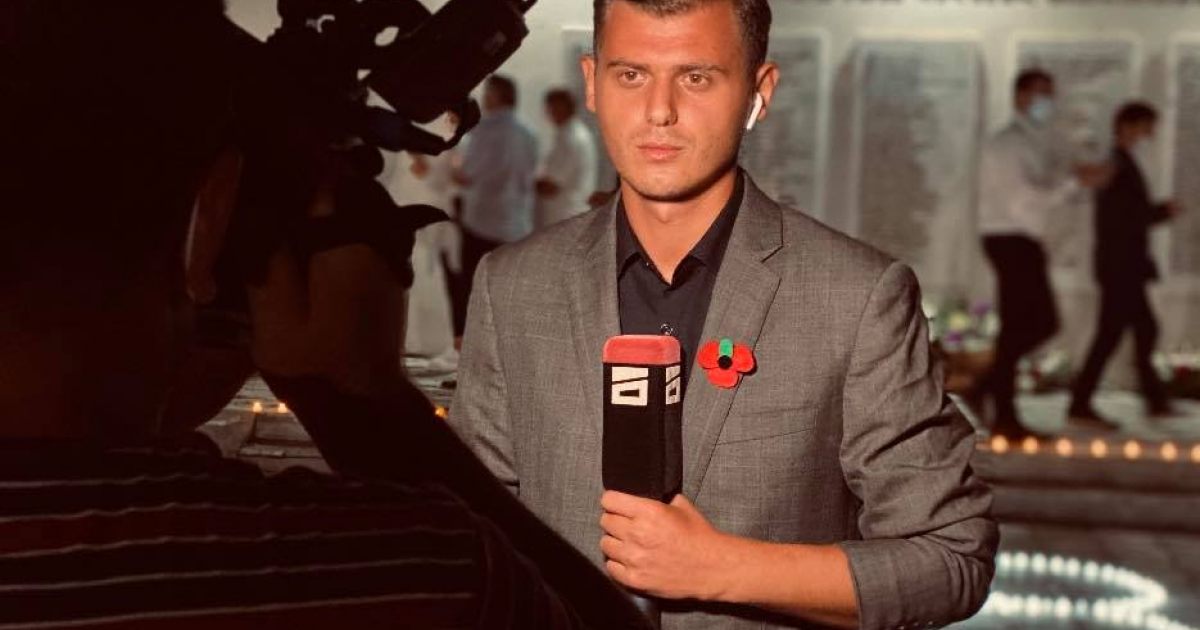
On April 24, 2025, Publika‘s reporter Mindia Gabadze was removed from a court session.
Judge Davit Tetrauli expelled the journalist from the courtroom for asking a question. Gabadze was covering the trial of businessman Giorgi Chkheidze.
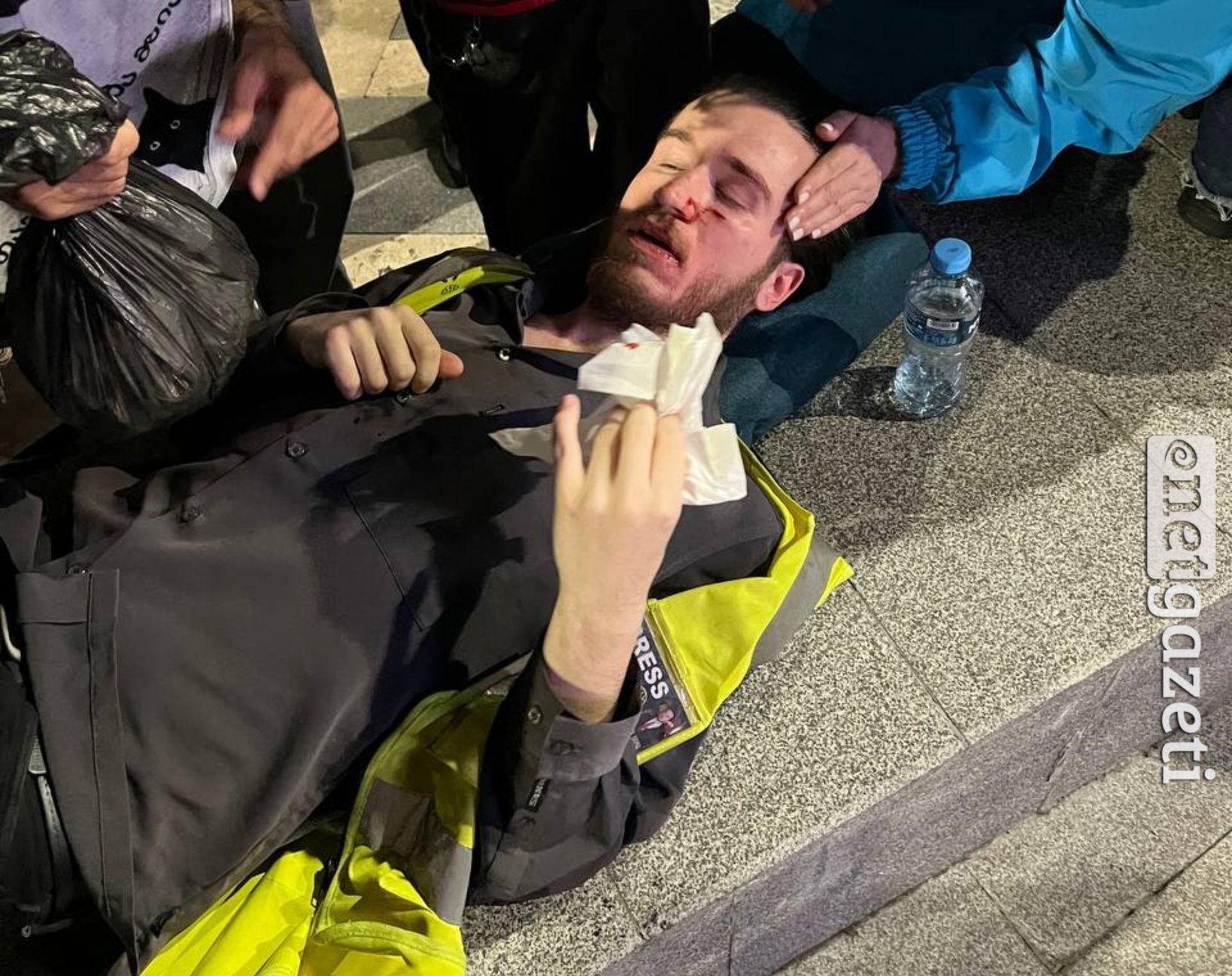
This is not the first time Mindia Gabadze has faced interference while carrying out his professional duties. Previously, unidentified individuals physically assaulted him on Rustaveli Avenue, and nearby police officers failed to respond.
The removal of journalists from courtrooms without any justification is also increasingly being seen as part of a broader, troubling trend.
On April 7, 2025, journalists were not allowed to attend a session of the Supreme Council of the Autonomous Republic of Adjara. The session was convened to appoint the new head of the government of Adjara. The live broadcast of the session was also cut off.
This is not the first time journalists have been banned from public meetings. On April 4, media crews from Formula, TV Pirveli, and Mtis Ambebi were denied access to a municipal assembly session in Chiatura.
“Such incidents are part of the Georgian Dream party’s policy aimed at silencing and marginalizing independent media. We are witnessing systematic pressure against critical media, including physical violence, threats, unlawful interference in their work, verbal abuse, legal persecution, and discriminatory treatment in accessing information. Despite this ongoing violence, no perpetrators have been held accountable,” stated the Media Advocacy Coalition.
On April 4, 2025, journalists from TV channels Formula, TV Pirveli, and Mtis Ambebi were denied entry to a meeting of The Chiatura Municipality Assembly.
The Media Advocacy Coalition called the incident yet another example of a systemic campaign against the media, aimed at suppressing critical voices and restricting the free exchange of information.
“Such incidents are part of the Georgian Dream party’s policy to silence and marginalize independent media. We are witnessing systemic pressure on critical media, which manifests in physical violence against journalists, threats, unlawful obstruction of their work, verbal abuse, legal persecution, and discriminatory treatment when accessing information. Despite this ongoing violence, no perpetrators have been held accountable,” the Coalition stated in its conclusion.
On May 29, 2025, a high-profile hearing in the case of Giorgi Bachiashvili was scheduled at Tbilisi City Court. The session, presided over by Judge Nana Shamatava, was held in a small courtroom. Despite the high public interest, part of the media was unable to attend the hearing. Some of the defendant’s relatives and family members were also not allowed to be present.
To recall, businessman Giorgi Bachiashvili previously headed the “Partnership Fund,” established by the “Georgian Dream” party and its founder, Bidzina Ivanishvili. Criminal proceedings against him began in 2023. The Georgian justice system accuses him of misappropriating bitcoins valued at 500 million GEL. The investigation is widely known as the “Bitcoin Case.”
The Georgian Young Lawyers’ Association and Transparency International Georgia responded to the court session:
“Organizing the hearing in such a small courtroom for a case of significant public interest violates the principle of public hearings, which is a core component of the right to a fair trial. This is particularly problematic given that the court had a reasonable opportunity to avoid it—at the time the session began, the court’s two largest rooms (Courtroom 1 and Courtroom 2) were available.”
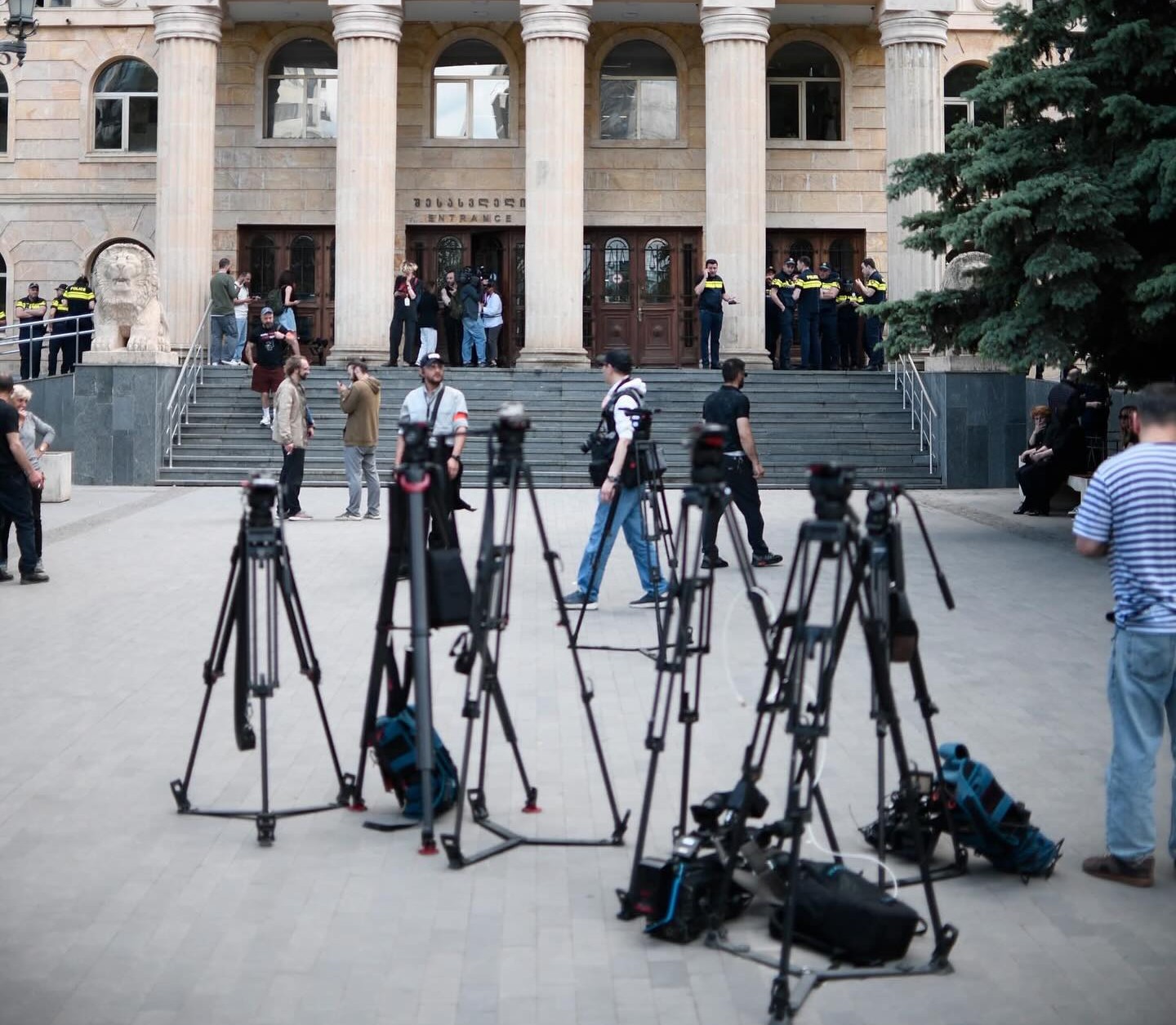
On May 30, 2025, for the third time, journalists were restricted from entering the Tbilisi City Court building with their equipment and carrying out their work. Journalists who did not have prior permission to report from inside the courtroom were not allowed into the building, even though such prior permission is not required for journalists to work outside the courtroom.
Today, the court was reviewing the case of opposition political leader Nika Melia, who is being prosecuted for failing to appear before a parliamentary investigative commission.
According to journalists, correspondents carrying photo and/or video equipment were not allowed to enter the courtroom; only those without any recording gear were permitted to attend the hearing.
The court’s press office said the restrictions were related to security measures:
“Due to security concerns, there are restrictions today. Only media outlets that have been granted access to directly cover the proceedings will be allowed into the court building. We cannot provide any further information.”