Pro-Government TV Station “Rustavi 2” Discredits Investigative Studio “iFact”

The pro-government television station Rustavi 2 produced a disinformation segment regarding the investigative studio “iFact,” accusing the media outlet of cooperating with foreign intelligence services and acting against the interests of Georgia.

The Rustavi 2 report, titled “Information Attack Against the Country,” concerned the British government’s sanctioning of pro-government TV channels. The main narrative of the segment was that “the primary tools for foreign powers in Georgia are local NGOs and media outlets, which operate against the country’s interests according to pre-designed schemes coordinated with foreign special services.” As an example, Rustavi 2 cited an investigative report by “iFact” regarding the entry of tankers loaded with Russian oil into the Kulevi terminal.

“One of the tools in the hands of foreign powers has become the media platform ‘iFact,’ which wrote in advance that London would sanction the tankers entering the Kulevi terminal. The information was first published by ‘iFact,’ and subsequently, the United Kingdom added two ships to the sanctions list,” the anchor states, later specifying that this is part of a broader scheme. “Foreign special services make good use of proven methods, and the activities of Georgians in analytical organizations are precisely determined by the intelligence of other countries,” says one of the anchors while introducing the segment [Timecode: 20:28 – 26:40].

According to the founder of “iFact,” Nino Bakradze, such a disinformation report only serves as proof of how deeply the “Georgian Dream” party is unsettled by the studio’s investigations into Russian tankers in Georgian ports.
“Georgian Dream” Denies OSCE Parliamentary Assembly Permission to Meet with Detained Journalist Mzia Amaghlobeli

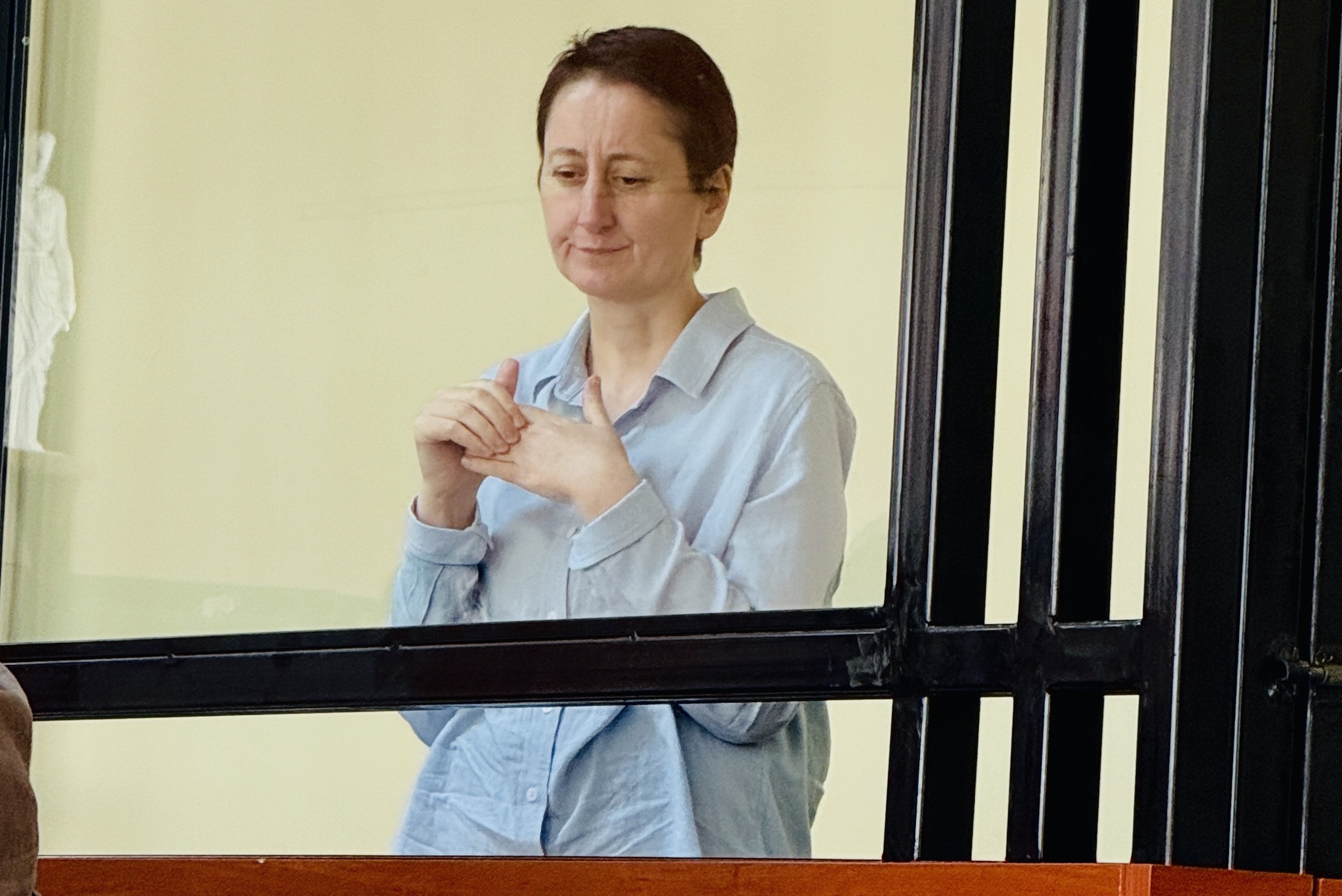
On March 10, 2026, it was revealed that the “Georgian Dream” government denied a visiting delegation from the OSCE Parliamentary Assembly permission to visit the founder of the publications Batumelebi and Netgazeti, journalist Mzia Amaghlobeli, in prison.

“We requested to visit the prisoners who are in jail, particularly the Sakharov Prize laureate [Mzia Amaghlobeli]. We expressed this to the Prime Minister, the President of the country, the Minister of Internal Affairs, and the Speaker of Parliament. And they replied to us: No,” stated Pere Joan Pons Sampietro, President of the OSCE Parliamentary Assembly, during his official visit to Georgia while speaking with journalists.

This fact is also confirmed by a statement released by the delegation regarding their visit to Georgia. This is not the first time “Georgian Dream” has prevented an international delegation from visiting journalist Mzia Amaghlobeli. In November 2025, members of the Parliamentary Assembly of the Council of Europe (PACE) who were in Tbilisi attempted to visit the detained journalist, but were refused entry to her prison cell. Similarly, in May 2025, a delegation of MEPs in Tbilisi was also unable to obtain permission to see Mzia Amaghlobeli.

“Georgian Dream” Assigns Enforcement of the So-Called “Russian Law” to the State Audit Office

“Georgian Dream” has introduced a legislative amendment in Parliament that transfers the enforcement of the so-called “Russian Law” (the Law “on Transparency of Foreign Influence”) to the State Audit Office.

The explanatory note states that since the Audit Office already monitors and enforces the “Foreign Agents Registration Act” (so-called FARA) and the Law on Grants, it is considered appropriate for the same agency to oversee the execution of this law as well. The authors of the amendments are “Georgian Dream” MPs: Archil Gorduladze, Tornike Cheishvili, Rati Ionatamishvili, Aluda Ghudushauri, Davit Matikashvili, Guram Macharashvili, Akaki Aladashvili, Tengiz Sharmanashvili, and Aleksandre Tabatadze.

The so-called “Russian Law,” originally initiated in 2023, requires civil society organizations and independent media with Western funding to register in a special registry. Critics refer to it as the “Russian Law” due to its similarity to the “foreign agents” legislation in effect in Russia. The bill sparked large-scale protests in Georgia and drew international criticism, leading to its suspension in 2023. However, in April 2024, the ruling party reintroduced the project to Parliament and officially passed it on May 28, 2024, after overriding a presidential veto.

The law mandates that organizations with foreign funding submit annual financial declarations and provides for sanctions in cases of non-compliance. This law has served as the foundation for a series of subsequent repressive legislative changes aimed at suppressing critical voices and restricting the activities of civil society and independent media in the country.

Tbilisi Mayor Addresses TV Pirveli Journalist with Insulting Language

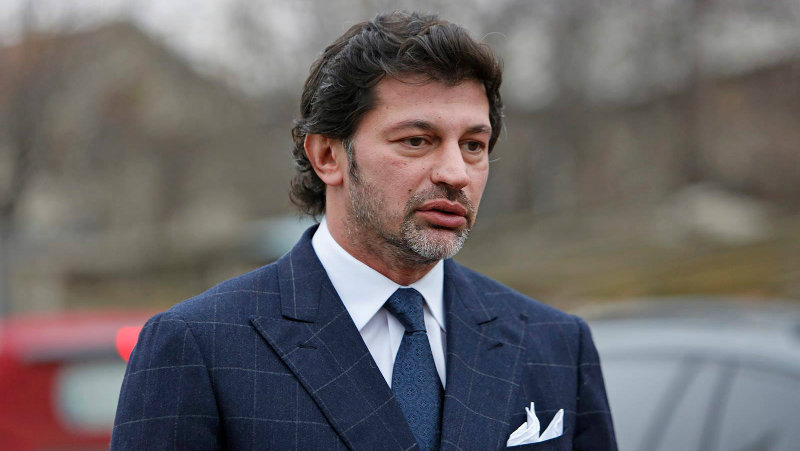
On March 6, 2026, the Mayor of Tbilisi, Kakha Kaladze, addressed TV Pirveli journalist Lika Jankharashvili in an insulting manner. “Get prepared; don’t come here so unprepared. I’m giving you a ‘two’ [a failing grade],” Kaladze replied to the journalist, who was attempting to get an answer to a question regarding what “Georgian Dream” has done to improve relations with the United States.

This is not the first instance where the Mayor of Tbilisi has attacked and insulted journalists instead of answering critical questions. For example, on January 12, 2026, Kakha Kaladze verbally insulted another TV Pirveli journalist regarding a question about a ship identified as part of the so-called “shadow fleet” being in Kulevi port and the resulting threat of secondary sanctions against the country. On October 4, 2025, during the local self-government election day, he called journalists “rude.” Even earlier, on September 21, he labeled journalists “aggressors,” also in response to a critical question.

Law Enforcement Accuses Netgazeti Journalist of “Blocking the Road” While Performing Professional Duties

The Georgian Ministry of Internal Affairs (MIA) is accusing Mariam Dzidziaria, a journalist for the online publication Netgazeti, of “blocking the road” on Rustaveli Avenue. The charges stem from the “Saturday March” rally held on January 31, 2026, where Dzidziaria was performing her professional duties. According to Netgazeti, while covering the protest, Mariam was wearing a press badge and a “PRESS” armband, and was carrying a camera.

On March 6, it was revealed that administrative proceedings on identical charges have been initiated against two other media representatives. The MIA is also accusing Tabula journalist Mariam Kuprava and photographer Giorgi Tarkhnishvili of “blocking the road” while fulfilling their professional duties.

The Georgian Charter of Journalistic Ethics stated that the MIA’s stance toward journalists covering protest rallies raises serious suspicions that the true objective of law enforcement is to intimidate them and force them to stop informing the public about protest sentiments. “Systemic pressure on journalists and the media violates the public’s right to be informed and damages the country’s interests,” the Charter’s statement reads.

Under the repressive legislative amendments passed by “Georgian Dream,” blocking a roadway has become a punishable offense. This is prohibited under Article 174-prime, Part 10 of the Administrative Offenses Code. Later, standing on the sidewalk was also integrated into this same article, leading to the prosecution of protesters as well.

Violating this article carries a penalty of up to 15 days of administrative detention (up to 20 days for organizers). Administrative detention does not apply to pregnant women, mothers with children under 12, minors, or persons with severe or significant disabilities. Instead, they face a fine of 5,000 GEL, or 15,000 GEL if they are an organizer. A repeat of the same “offense” leads to criminal liability.

Since October 26, 2024, more than 40 citations have been issued to journalists on charges of “blocking the road.”

Ministry of Internal Affairs Accuses Photographer Giorgi Tarkhnishvili of “Blocking the Road” While Performing Professional Duties

The Ministry of Internal Affairs (MIA) is accusing photographer Giorgi Tarkhnishvili of obstructing pedestrians by standing on the sidewalk while performing his professional duties. The case pertains to a protest on December 18, 2025, where the photographer was working on assignment.

The court hearing for this case was held on March 6, 2026. Judge Davit Makaradze of the Administrative Cases Panel of the Tbilisi City Court examined the evidence but deferred the announcement of the verdict.

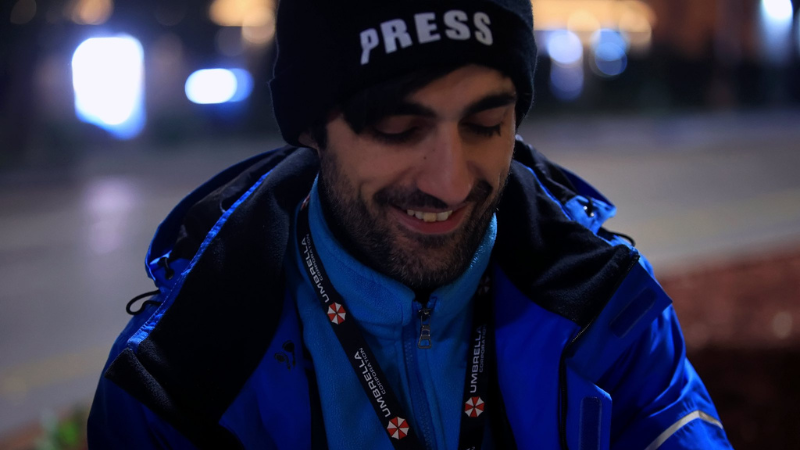
“We presented documents proving he is a journalist, as well as the badges he was wearing. Even his hat is marked ‘PRESS,’ and he is holding a large camera. All of this proves he was fulfilling his professional duties, and the video presented by the MIA clearly shows him taking photos or videos,” Tarkhnishvili’s lawyer, Giorgi Tabatadze, stated in an interview with MediaChecker.

On March 6, it also became known that administrative proceedings on the same charges had been initiated against another media representative. The MIA is similarly accusing Tabula journalist Mariam Kuprava of “blocking the road” while performing her professional duties.

According to a statement from the Georgian Charter of Journalistic Ethics, the MIA’s stance toward journalists covering protests raises a well-founded suspicion that the true goal of law enforcement is to intimidate them and force them to stop informing the public about protest activities. “Systemic pressure on journalists and the media violates the public’s right to be informed and harms the country’s interests,” the Charter’s statement reads.

Under the repressive legislative amendments passed by “Georgian Dream,” blocking a roadway has become a punishable offense. This is prohibited under Article 174-prime, Part 10 of the Administrative Offenses Code. Later, standing on the sidewalk was integrated into this same article, leading to the prosecution of protesters as well.

Violating this article carries a penalty of up to 15 days of administrative detention (up to 20 days for organizers). Administrative detention does not apply to pregnant women, mothers with children under 12, minors, or persons with severe or significant disabilities. Instead, they are subject to a fine of 5,000 GEL, or 15,000 GEL if they are identified as an organizer. A repeat of the same “offense” leads to criminal liability.

Since October 26, 2024, approximately 40 citations have been issued to journalists on charges of “blocking the road.”

Ministry of Internal Affairs Accuses Tabula Journalist of “Blocking the Road” While Performing Professional Duties

The Georgian Ministry of Internal Affairs (MIA) has accused Mariam Kuprava, a journalist for the online publication Tabula, of “blocking the road” on Rustaveli Avenue. The accusation stems from a protest on February 7, 2026, while Kuprava was performing her journalistic duties covering the “Saturday March.” In an official report filed on February 9, the MIA claims that “Mariam Kuprava artificially blocked the motorable part of the roadway.”

The Georgian Charter of Journalistic Ethics issued a statement arguing that the Ministry’s stance toward journalists covering protests raises serious suspicions. They suggest the true objective of law enforcement is to intimidate and force journalists to stop informing the public about protest sentiments: “Systemic pressure on journalists and the media violates the public’s right to be informed and damages the country’s interests,” the Charter stated.

Under repressive legislative amendments passed by “Georgian Dream,” blocking a roadway has become a punishable offense under Article 174-prime, Part 10 of the Administrative Offenses Code. Later, standing on the sidewalk was also integrated into this same article, leading to the prosecution of protesters as well. Violation of this article carries a penalty of up to 15 days of administrative detention (up to 20 days for organizers). Administrative detention is not applied to pregnant women, mothers with children under 12, minors, or persons with severe or significant disabilities; instead, they face a fine of 5,000 GEL, or 15,000 GEL if identified as an organizer. Repeatedly committing the same “offense” leads to criminal liability.

Since October 26, 2024, approximately 40 citations have been issued to journalists on charges of blocking the road.

Update:

On April 2, Judge Tornike Kapanadze of the Administrative Cases Panel of the Tbilisi City Court dismissed the “road blocking” case against Mariam Kuprava. According to her lawyer, Nika Simonishvili, even the footage submitted by the Ministry of Internal Affairs clearly showed the Tabula journalist wearing press identification and performing her professional duties on-site.

Communications Commission Announces Practical Enforcement of Norms Established by the Law on Broadcasting and the Code of Conduct for Broadcasters

The Communications Commission has announced that starting next week—March 9—it will begin the practical enforcement of the norms established by the Law on Broadcasting and the Code of Conduct for Broadcasters and will initiate monitoring of broadcasters.

The initiative to activate monitoring of the Code of Conduct for Broadcasters and the Law on Broadcasting was adopted by ComCom shortly after the United Kingdom sanctioned the government-affiliated propaganda outlets Imedi and POSTV. The agency considers that the sanctioning of these television stations is “aimed both at restricting fair competition among mass media outlets and hindering the professional activities of journalists, which could pose a threat to media pluralism and freedom of speech in the country.”

The Communications Commission cites the Law on Broadcasting and the Code of Conduct for Broadcasters, stating that these acts mandate the Commission to ensure the protection of objectivity standards in the media. According to their statement, despite the existence of the law, for nearly a year the Commission has only responded to complaints and has not initiated administrative proceedings against broadcasters on its own under this law.

“Given the above and based on the analysis of the challenges in the media environment, we consider it necessary for the Commission to bring into practice the norms established by the Law on Broadcasting and the Code of Conduct for Broadcasters starting next week. This is to ensure that the objectivity of broadcasters is assessed based on proper procedures and high legal standards,” the statement reads.

Last year, “Georgian Dream” passed repressive amendments to the Law on Broadcasting. These changes relate to the regulation of broadcaster content. According to the amendments:

  • The expression of opinion is restricted in news programs as well as during the coverage of other public policy issues (excluding author programs);
  • A person against whom accusations have been made in a program must be given the opportunity to provide a timely and proper response. The response must be covered fairly and accurately;
  • The law defines all instances in which obtaining and/or transmitting information using undercover methods is justified; additionally, a standard for undercover recording on private property was established.

The Media Advocacy Coalition has responded to the statement released by the Communications Commission, believing that it contains clear signals regarding potential pressure and threats against independent media. “It is particularly problematic that the Commission, which by law should be an independent regulator and a guarantor of media freedom, creates the impression with its own statement that it is ready to use regulatory mechanisms as an instrument for evaluating and controlling the editorial activities of the media,” the statement says.

The Charter of Journalistic Ethics urges the National Communications Commission to refrain from evaluating content-related issues that fall within the scope of editorial independence and which, according to Georgian tradition and international practice, are subjects of self-regulation. Any other approach, even if based on the recent controversial changes to the Law on Broadcasting, will be viewed by the journalistic community as an attempt to impose censorship and a gross interference in the editorial independence of broadcasters.

Criminal Prosecution Initiated Against Civic Activist Giorgi Tsulaia for Standing on a Sidewalk

Tbilisi City Court Judge Davit Makaradze remitted to the Ministry of Internal Affairs the case of civic activist and United National Movement member Giorgi Tsulaia, who had been accused of obstructing movement due to protesting on a sidewalk. The judge identified indicia of a criminal offense in Giorgi Tsulaia’s case, as the activist had previously been subjected to detention for blocking a roadway (on 22 October 2025, he was sentenced to eight days of detention).

The Ministry of Internal Affairs initiated new proceedings against Giorgi Tsulaia on 17 December 2025 in connection with his participation in a protest held on that date. On the same day, the Ministry initiated proceedings against more than 20 individuals, including doctor Vazha Gaprindashvili, whose case was likewise remitted to the Ministry of Internal Affairs.

Since Georgian Dream adopted another repressive legislative amendment restricting freedom of assembly on 12 December 2025, the Ministry of Internal Affairs has been initiating proceedings against protest participants with “obstructing citizens’ movement” for protests carried out on sidewalks, which the amended legislation in fact banned. Under the amended legal framework, a first offense is punishable by administrative detention of up to 15 days (up to 20 days for organizers), while a repeated offense may entail criminal liability.

Criminal Prosecution Initiated Against Civic Activist Vazha Gaprindashvili for Standing on a Sidewalk

Civic activist and doctor Vazha Gaprindashvili is facing the threat of criminal prosecution for standing on a sidewalk. The Ministry of Internal Affairs accuses him of “obstructing citizens’ movement” in connection with the protest held on 22 December 2025.

On 8 January, an administrative hearing was held in this case, after which Judge Tornike Kapanadze referred the case to the Ministry of Internal Affairs, citing the presence of elements of a criminal offense. Vazha Gaprindashvili has previously been identified as an administrative offender on the grounds of allegedly “blocking a roadway.”The Ministry of Internal Affairs has been bringing charges of “obstructing citizens’ movement” against protest participants for expressions of protest carried out on sidewalks since Georgian Dream adopted another repressive legislative amendment restricting freedom of assembly on 12 December 2025, which effectively banned protests even on sidewalks. Under the legislation, a first offense is punishable by administrative detention of up to 15 days (up to 20 days for organizers), while a repeated offense may result in criminal liability.