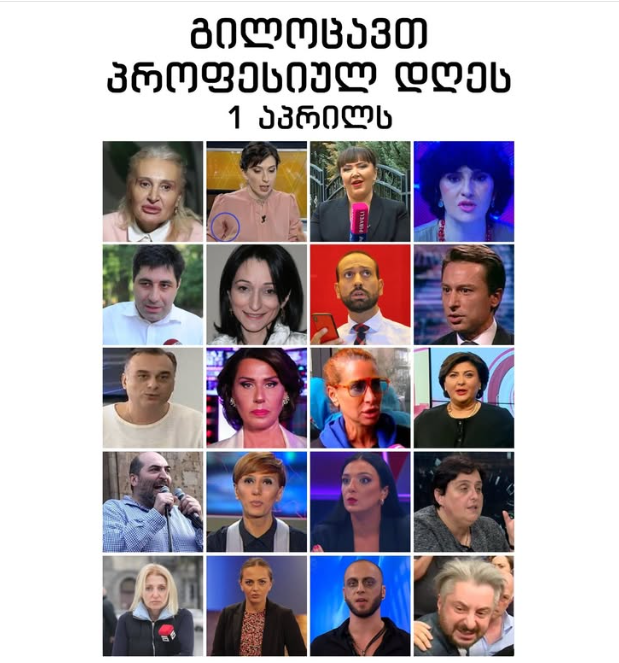
A Facebook page titled “Media,” which is affiliated with the “Georgian Dream” party, is actively discrediting independent journalists. On April 1, the page published a poster featuring journalists from TV Pirveli, Mtavari Arkhi, and Formula, accompanied by the caption: “Happy Professional Day—April 1st.” (In Georgian society, April 1st is associated with lying and is considered April Fools’ Day).
The “Media” page was created on December 25, 2024. Its original name was “Borotmokmedia” (a play on words meaning “Evildoer”), but on September 9, 2025, it was renamed “Media.” The page is primarily engaged in discrediting independent journalists, the opposition, and the family members of prisoners of conscience. According to the fact-checking platform “Myth Detector,” this page is linked to “Georgian Dream” and operates in coordination with media outlets that follow a pro-government editorial policy (such as POSTV and Imedi).
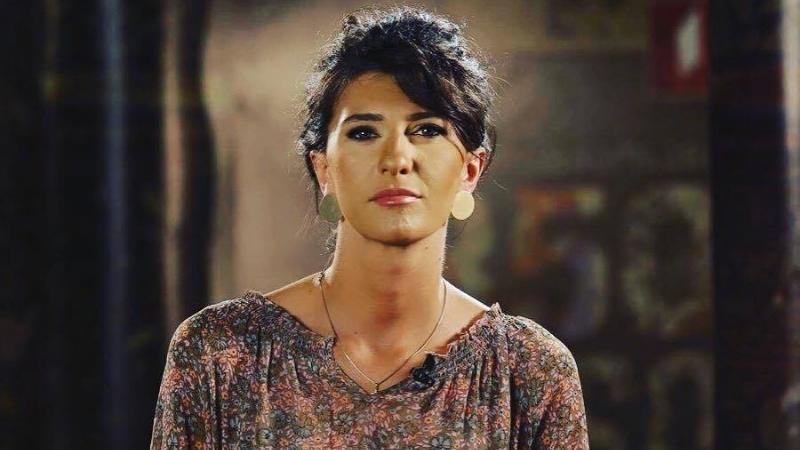
Shalva Ramishvili, the director and host of the pro-government outlet POSTV—which has been sanctioned by Britain for spreading Russian propaganda—is attempting to disparage TV Pirveli journalist Vika Bukia based on her geographical background.
Ramishvili refers to Vika Bukia as a “girl from the provinces” and an “aggressive provincial.” In the same context, he mentions her sister, Sopho Bukia—also a journalist and an editor at JAMnews—labeling her a provincial as well.
Vika Bukia is originally from the Samegrelo region. Ramishvili views this as a point of inferiority and uses it specifically to insult the journalist. Furthermore, he openly admits that he is doing this intentionally:
“You represent the class of jooooournalists (pronouncing the word with a specific derisive connotation) that I have fought since birth. I am fighting you not just as the provincial Vika Bukia, but as representatives of the joooournalist class—the collective Inga Grigolia and Nodar Meladze—so that your authority, if you even have any, is completely destroyed,” the propagandist Ramishvili stated openly.
This is not the first time that POSTV and its affiliates have attempted to insult and discredit independent and critical journalists. On March 4, Shalva Ramishvili also attempted to humiliate investigative journalist Keti Tutberidze by using sexist epithets against her.
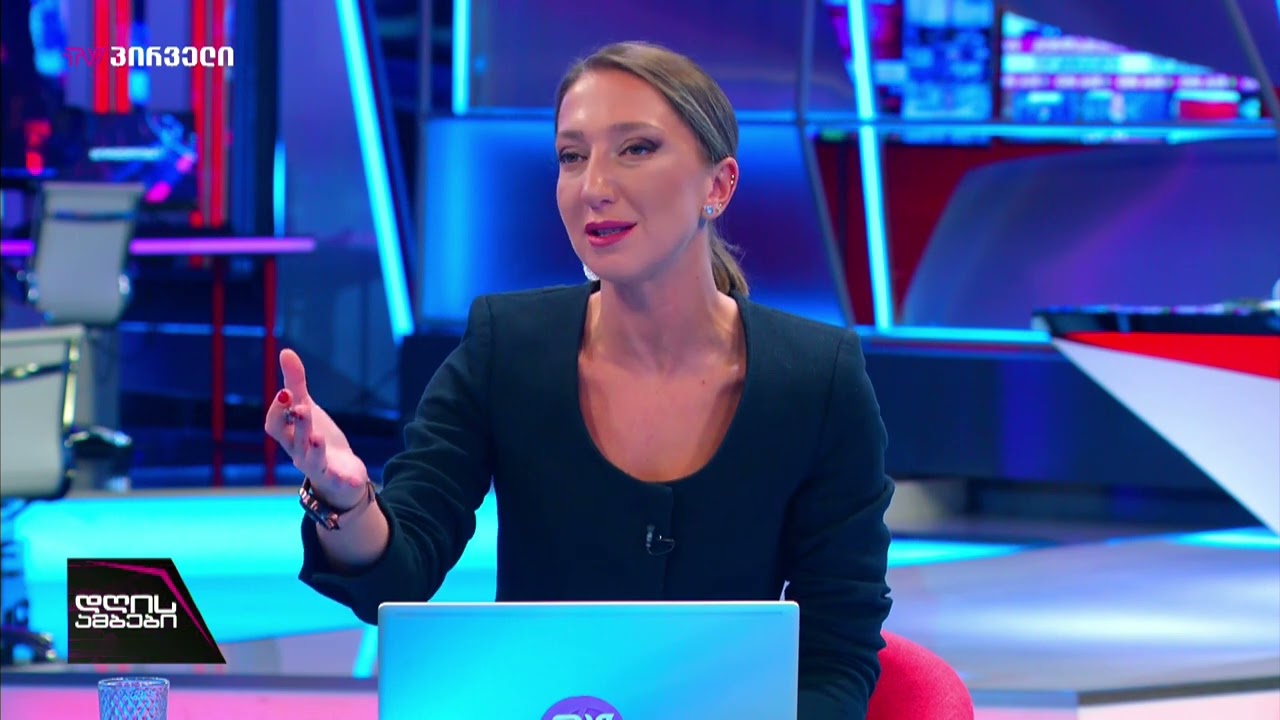
Liza Gegechkori, a host for the pro-government outlet POSTV—which has been sanctioned by Britain for spreading Russian propaganda—is attempting to discredit TV Pirveli investigative journalist Maka Andronikashvili. The individual, who is closely affiliated with “Georgian Dream,” is spreading disinformation claiming that Maka Andronikashvili changed her last name:
“I just found out—you might think it’s a joke, but it isn’t—her real name was Nabichvrishvili. The woman changed her own last name because she was a Nabichvrishvili by birth, and then, without a second thought, she ‘became’ an Andronikashvili,” the propagandist wrote.
This is not the first time that POSTV and its affiliates have attempted to insult and discredit independent and critical journalists. This attitude has become a trend on the channel and is systematic in nature. The channel’s director, Shalva Ramishvili, is particularly active in these efforts.
Tbilisi City Court has dismissed a lawsuit filed by TV Pirveli journalists Nanuka Kajaia, Natalia Kajaia, and Mariam Gaprindashvili against the pro-government outlet POSTV. The journalists sued POSTV for defamation following reports alleging they received $30,000 salaries from Temur Chkonia, the businessman and founder of Coca-Cola.
According to TV Pirveli lawyer Tornike Migineishvili, although the burden of proof rested with the defendant under the law, the plaintiffs submitted numerous documents to the court. These included: a recording of a phone conversation with Temur Chkonia; salary and employment records from TV Pirveli; bank statements from every commercial bank covering several years of transactions for each journalist; and rulings confirming that POSTV had violated journalistic standards in preparing the segment. They also presented all stories and statements demonstrating the “TV company’s” sole intent: an attempt to discredit the plaintiff journalists. Nevertheless, the dispute ended in a victory for the sanctioned media outlet.
At the same time, the lawyer emphasized that the opposing side failed to present a single piece of documentation.
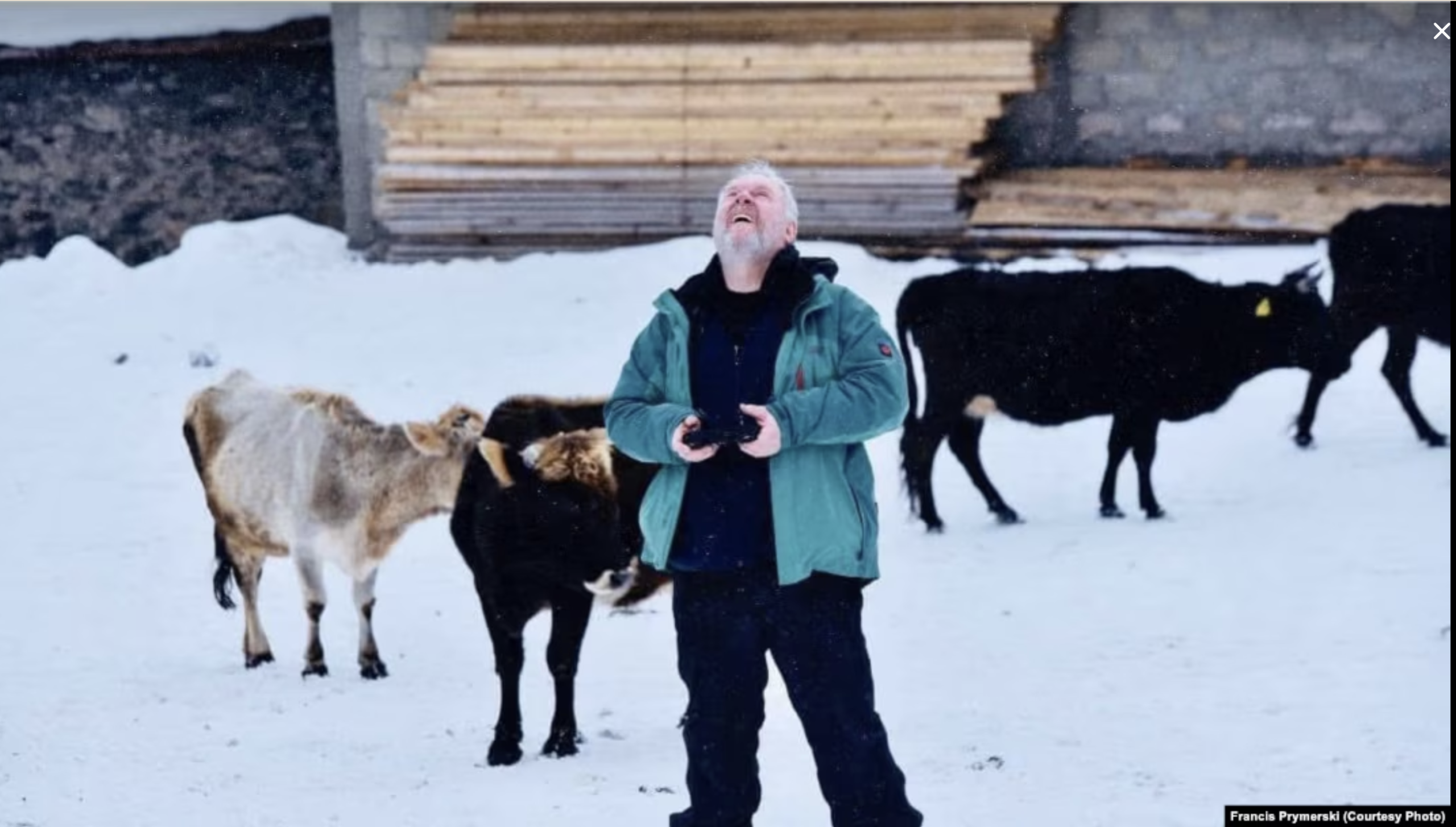
French photographer Francis Primerski, who has lived in Georgia for years, shared on social media that his residence permit has been revoked. The photographer frequently covered the protest rallies taking place on Rustaveli Avenue.
“Today, this decision is painful for me because it is not just an administrative matter. It concerns the connection I have built with this country. And yet, I regret nothing. I have always acted in accordance with my values—freedom, dignity, and justice. I will defend these values to the end. I will not remain idle. I will begin a legal battle. I will go all the way, to Strasbourg if necessary, because this bond cannot be erased by a single decision; you don’t leave such a country so easily, you fight for it. Georgia is a part of me, no matter what happens, and I will not give up,” Primerski wrote.
The document published by Primerski, issued by the Ministry of Justice of Georgia, shows that he had been granted a residence permit valid until 2027.
Since the start of the pro-European protests, numerous instances of obstruction involving foreign journalists have been recorded in Georgia. These cases mostly involve bans on entering the country. CMIS provides detailed documentation of these occurrences as well.
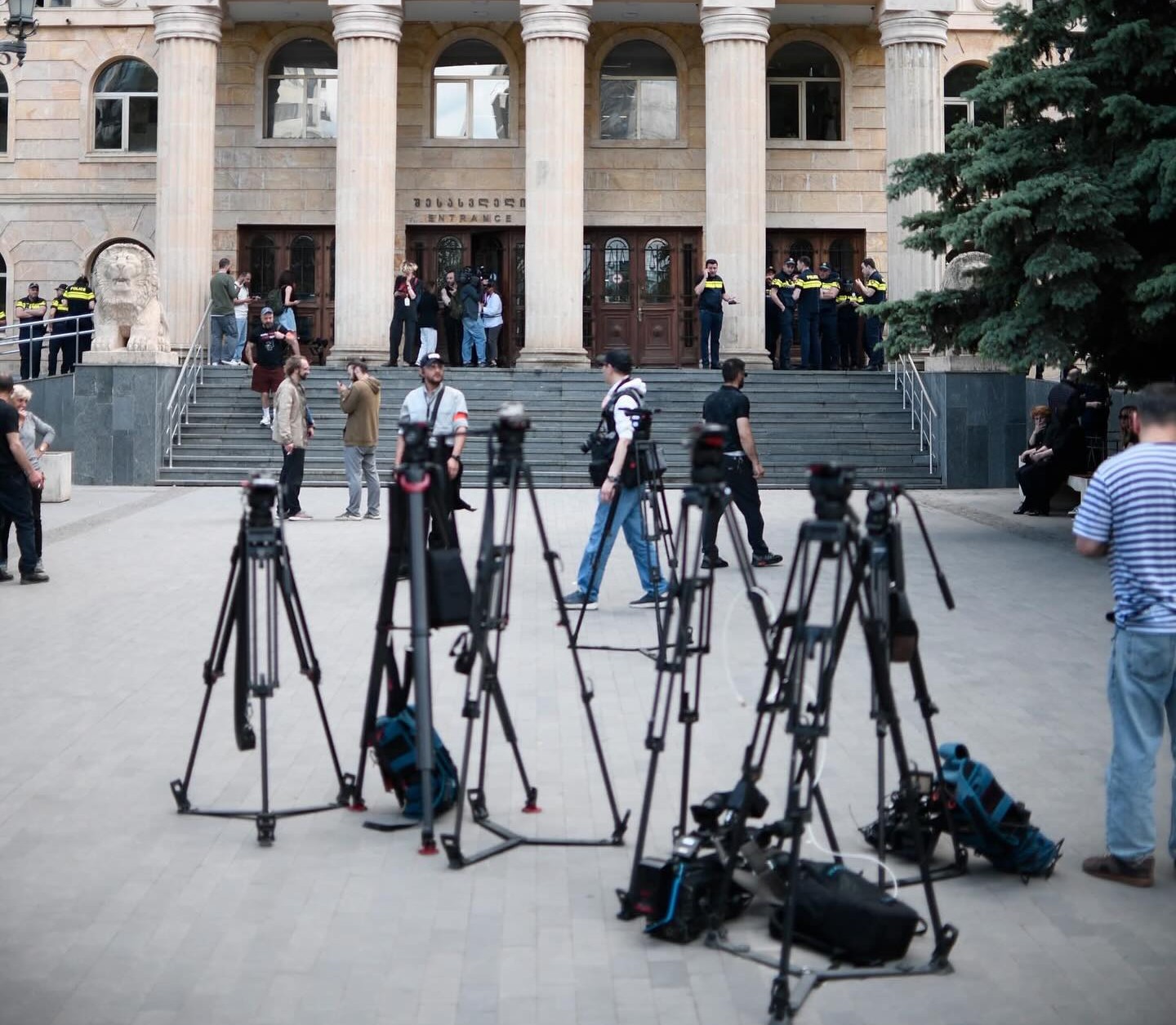
On March 25, 2026, Monitor published an investigative report stating that they were unable to interview Member of the Georgian Parliament Zaal Dugladze because the Parliament refused to issue a special entry pass for their journalist.
“We were unable to go to the Parliament of Georgia and pose questions to a Member of Parliament. According to the new rules, before entering the Parliament, it is necessary to specify a concrete reason to obtain a special pass. When they learned that we wanted to record an interview with Zaal Dugladze, the Parliament refused to issue the pass,” the Monitor investigation states.
Monitor first applied to the Parliament for a special pass on February 17, and again on February 19. In both instances, the pass was denied. No explanation for the refusal was provided to the outlet.
A new rule for issuing one-day special accreditations came into effect on January 1, 2026. Under this rule, the Head of the Staff makes a decision regarding the issuance of special accreditation no later than five working days after receiving the application. This one-day special accreditation is a mechanism that allows journalists who do not hold permanent parliamentary accreditation to enter the Parliament building and carry out professional activities for a specific purpose. According to these special rules, an application must be submitted to the Speaker of the Parliament, specifying the exact reason for the request. Previously, no such requirement existed in the law.
The imposition of restrictions on journalists within the Parliament building by “Georgian Dream” began on February 6, 2023, when the initial media accreditation rules for the Parliament of Georgia were first approved.
Given the ban on photography, video, and audio recording in courtrooms, sketches produced by artists remain one of the few ways to visually document legal proceedings. Despite this, during the March 18 hearing for Anton Chechin, Sergei Kukharchuk, and Artyom Gribul, Judge Nato Khujadze attempted to restrict an artist’s work, directing that “faces should not be flaunted.” After defense lawyers clarified that sketching is not prohibited—a point the prosecutor also conceded—the artist was allowed to continue working, though with the restriction that faces not be depicted.
This situation unfolds against the backdrop of legislative amendments passed in June 2025, which effectively banned recording in courtrooms. These changes have significantly complicated media coverage of trials and diminished the public’s access to information.
The court is currently holding a pretrial hearing for a new case involving Anton Chechin, Sergei Kukharchuk, and Artyom Gribul. The Russian and Ukrainian nationals, who have already been convicted in cases related to protest rallies, are now being accused of “group playing of handmade cards” while in the penitentiary facility. This charge carries a sentence of 3 to 5 years in prison. Chechin and Gribul are already serving 8.5-year sentences, while Kukharchuk is serving a 2-year sentence. Following the new charges, the prisoners were transferred to separate cells.
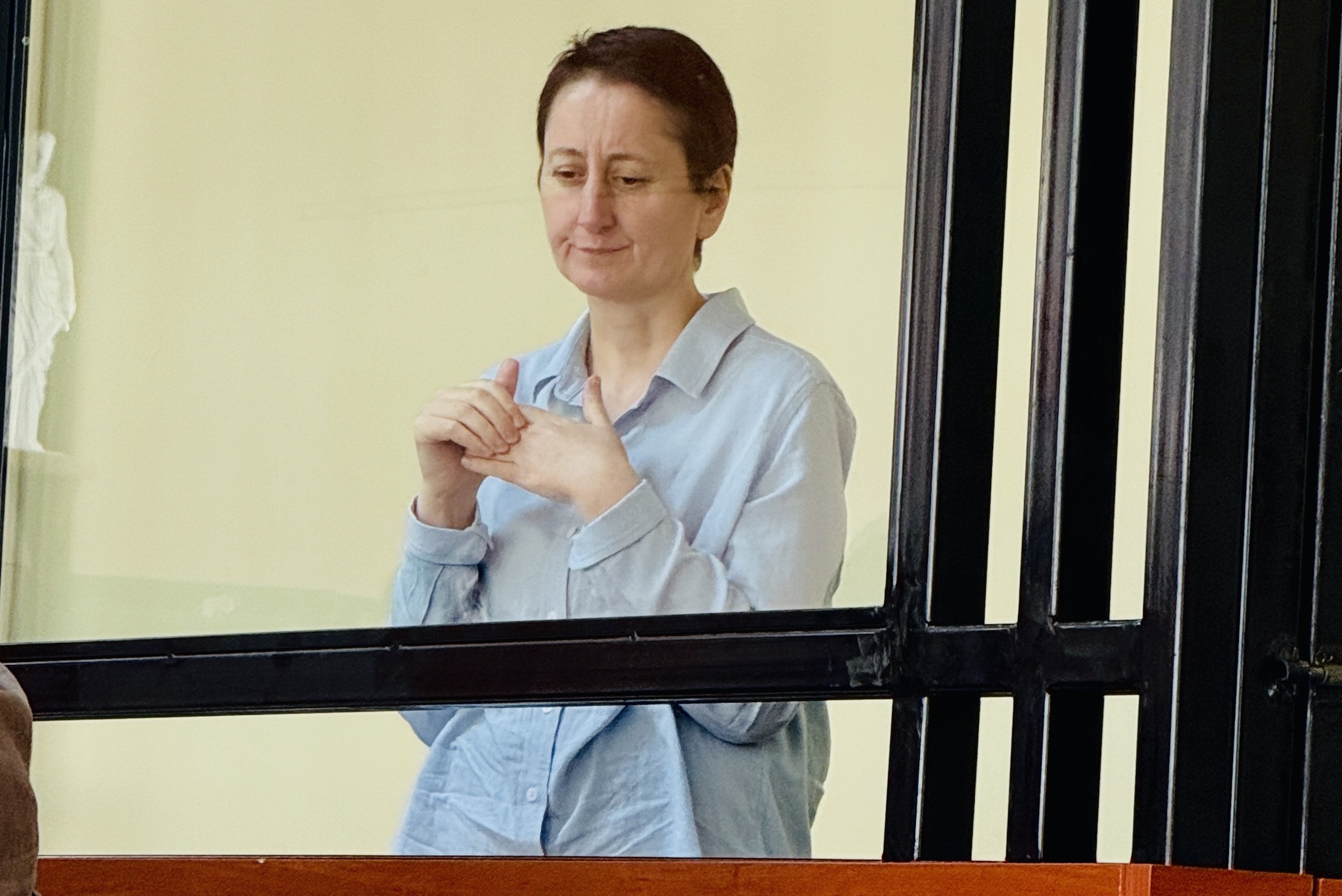
On March 12, the European Parliament adopted a resolution calling on the Georgian authorities to immediately and unconditionally release opposition politician Elene Khoshtaria, journalist and founder of Batumelebi and Netgazeti Mzia Amaghlobeli, and other detained individuals.
The document also addresses the persecution of the opposition and activists, urging the government to repeal restrictive laws and ensure an independent investigation into allegations of potential ill-treatment of detainees and the misuse of legislation.
Following the adoption of the resolution, the television station Rustavi 2 published a report referring to Mzia Amaghlobeli as a “police abuser.” This phrasing serves as a continuation of the discreditation narrative against her, which has been actively promoted in pro-government rhetoric since her arrest.
Director Goga Khaindrava, a supporter of “Georgian Dream,” is calling on the Prosecutor’s Office of Georgia, the State Security Service (SSG), and the Ministry of Internal Affairs of Georgia to investigate a report about him that aired on Formula TV.
The report in question was broadcast on Formula TV on January 17, 2026. It claimed that between 2016 and 2017, in coordination with the State Security Service and in exchange for payment, Goga Khaindrava facilitated the entry of Indian and Pakistani citizens into Georgia.
“The report suggested that, in agreement with the SSG, I intentionally committed a very serious crime. To me, this crime is equivalent to treason against the state. It is treason when you illegally bring potential criminals into the country’s territory in exchange for bribes. Therefore, in addition to filing a lawsuit in court, I am appealing to the Prosecutor’s Office and asking them to conduct an investigation into the matter to determine who is at fault: myself, the SSG, the Border Police, or ‘Falsehood Formula’ LLC,” Khaindrava stated during a press conference.
Following the airing of this report in January of this year, Goga Khaindrava announced that he would take legal action against Formula TV. It is worth noting that after the segment was broadcast, the program’s host, Davit Kashiashvili, received a threatening message from an unidentified individual. The author of the threat wrote to the journalist: “Tbilisi is a small city… take care of yourself, buddy.” Davit Kashiashvili announced this himself during a live broadcast, thereby notifying the Ministry of Internal Affairs of Georgia about the incident.
On March 11, 2026, it was revealed that TV Pirveli’s satellite broadcasting had been cut off due to financial debt. According to the television station, the costs associated with satellite and open-air broadcasting have become too high for them to continue covering.
The channel is now appealing to its viewers for assistance and has published an account number for donations. “We are launching a new campaign! With your participation, you can help share TV Pirveli’s broadcast with all of Georgia and the emigrants watching us via satellite across Europe and Asia,” reads the statement issued by TV Pirveli.
While the channel’s live broadcasts remain available online and through paid television platforms such as Magti and Silknet, the cutoff means that viewers in regions and remote areas—where such services are less accessible or rarely used—will no longer have access to the station’s programming.
TV Pirveli is not an isolated case. Recently, many media outlets in Georgia have faced financial hardships as a result of the “Georgian Dream” party’s repressive legislative policies, which are aimed at restricting independent and critical media.