
On July 25, the YouTube channel of the investigative media outlet “Monitor” was disabled. In a released statement, the media outlet notes that a coordinated cyberattack was carried out against them:
“3 of our materials were appealed (so-called reported) on YouTube: the first concerns the Hermès collection of Ana Areshidze, the wife of the Mayor of Tbilisi, Kakha Kaladze; the second material concerns sanctioned judges; and the third is a part of our extensive journalistic investigation, which concerns the change in the excise price on cigarettes – it satisfied the business interests of Vano Chkhartishvili, a businessman close to the government,” the statement reads.
“Monitor” considers these types of attacks as another attempt to silence independent media and restrict the provision of objective information to the public. “However, they will not be able to hinder our activities with such methods,” the statement notes.
It is noteworthy that a coordinated attack on “Monitor’s” social networks was previously recorded in early July, when Meta deleted several of “Monitor’s” materials following so-called reports. As noted in the statement of “Monitor,” Meta restored the materials after an appeal.
This time, “the ‘Monitor’ team is actively working to resolve the problem caused by the coordinated attack and to restore the channel (referring to YouTube) in a timely manner,” the statement reads.
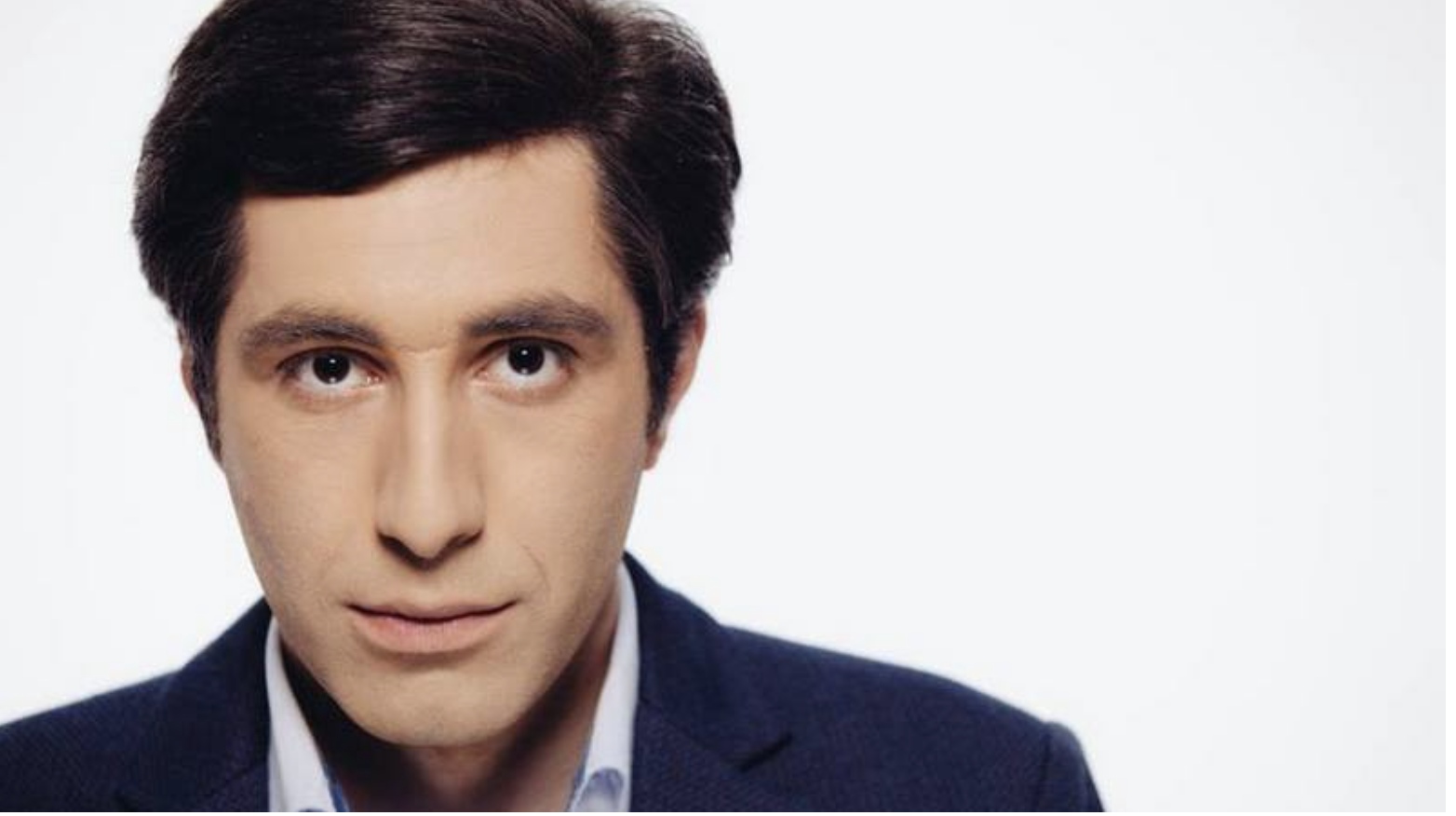
On July 22, Zviad Tsekvava of the Tbilisi City Court sentenced journalist Vakho Sanaia to 14 days in prison over a status posted on a social network. Previously, Vakho Sanaia had already been fined for a post written on Facebook.
The case concerned posts published on social media by Vakho Sanaia regarding the Speaker of Parliament, Shalva Papuashvili, and MP Lado Bojadze.
This is the first instance of a journalist being sentenced to imprisonment for a status written on a social network.
Administrative disputes against citizens over opinions expressed in public spaces are initiated based on reports from the newly created “Division for Combatting Hate Speech” within the Ministry of Internal Affairs (MIA). The new division has been operating within the MIA since June 1. The division’s task is to monitor and proactively detect statements disseminated in the public sphere that degrade human dignity, are insulting, or contain hate speech, if they exhibit signs of an administrative offense.
Tbilisi Mayor Kakha Kaladze called the investigative journalists of “Studio Monitor” “liars” and “fraudsters.” He made this assessment in response to questions from a “TV Pirveli” journalist regarding a journalistic investigation published by “Studio Monitor.”
On July 16, “Studio Monitor” published an investigation concerning property deals related to the former “Sakartvelo” (Georgia) hotel building in the center of Tbilisi, the transfer of state property for 1 GEL, and the possible intersection of government-linked business interests in this process. The investigation discusses an amendment made to a government resolution, based on which 3,237.3 square meters of state-owned space was transferred to LLC “Sakartvelo 2030” for 1 GEL.
This is not the first time the Tbilisi Mayor has publicly attacked “Studio Monitor.” On June 1, during television debates on “Rustavi 2,” Kakha Kaladze referred to the investigative studio “Monitor” as a media outlet that “spreads lies,” and called one of the studio’s journalists “ignorant” and “uneducated.” Furthermore, it should be noted that Kakha Kaladze’s public statements directed at journalists have on numerous occasions contained insulting and obscene language. CMIS has documented similar cases multiple times.
For the third time, the Communications Commission is disputing an alleged violation of the “Law on Broadcasting” by the television company “Formula.” The Commission discussed the issue at its July 17 session and fined “Formula” 5,000 GEL.
According to the Commission’s assessment, “Formula” violated Article 54 of the Law of Georgia on Broadcasting – “Fairness and Impartiality.” According to the official report, the monitoring of the 17:00 broadcasts of Formula News was conducted between June 15 and 17. The Commission considers that journalists in these news broadcasts occasionally expressed personal opinions and attitudes regarding current events, as “Formula” systematically uses phrases in the disputed segments such as: “the ‘Dream’ government,” “the ‘Georgian Dream’ President,” “‘Dream’s’ Prosecutor’s Office,” “‘Dream’s’ Prime Minister,” “‘Dream’s’ Ministry of Foreign Affairs,” “repressive laws,” and “repressions of the ‘Dream’ regime.”
At this stage, the Commission only applied a fine and did not resort to an alternative sanction, which, according to the legislation, involves suspending the television station’s broadcasting authorization. If the Commission establishes another violation by “Formula,” it will again be authorized to consider suspending the station’s broadcasting authorization or imposing an increased fine—not less than 10,000 GEL and not exceeding 3% of the company’s annual income. For the use of similar terms, the Communications Commission had already fined “Formula” 2,500 GEL on May 21 for violating the same article.
The case is being considered against the backdrop of recent, controversial amendments to the “Law on Broadcasting” concerning the content regulation of broadcasters. Under these amendments, expressing personal positions is restricted in news programs and during the coverage of public policy issues (with the exception of author-driven editorial programs). Additionally, new rules were established regarding the right of reply and the gathering and dissemination of information through covert methods.
On March 6, the Communications Commission announced that it would begin enforcing the norms established by the “Law on Broadcasting” and the “Broadcasters’ Code of Conduct” in practice and would start monitoring broadcasters. At the time, the Commission pointed out that for almost a year, it had only reacted to complaints and had not initiated administrative proceedings against broadcasters on its own initiative.
On July 14, the Tbilisi City Court upheld the civil lawsuit of Giorgi (Goga) Khaindrava, a director and supporter of “Georgian Dream,” against the television company “Formula.” The decision was made by Judge Liana Kazhashvili. The court ordered “Formula” to pay 10,000 GEL on the grounds of causing “moral damage” and instructed it to retract on its own air the “information defaming the name, honor, and dignity” of the plaintiff.
The dispute concerned reports aired on “Shabatis Formula” (Saturday’s Formula) on December 20, 2025, and January 17, 2026. In the January 17 report, “Formula,” citing a source, disseminated information that in 2016-2017, Goga Khaindrava, in possible agreement with the State Security Service, brought citizens of India and Pakistan into Georgia in exchange for a certain amount of money.
Khaindrava claimed that the report spread “fundamentally false” information intended to deliberately mislead the public. “Formula’s” lawyer, Eto Katamadze, assessed the decision as unsubstantiated and stated that the television company will fully utilize the legal mechanisms available within the country, after which it will likely continue the dispute in Strasbourg.
Because of this same report, the Prosecutor’s Office of Georgia launched an investigation involving the television company “Formula” under Part 1 of Article 373 of the Criminal Code, which implies false denunciation. According to the Prosecutor’s Office, the investigation concerns the fact of a possible crime committed by “Formula” against Goga Khaindrava. Within the framework of this investigation, “Formula” journalists Natuka Lomadze, Misho Martashvili, and Davit Kashiashvili were summoned to the Prosecutor’s Office for questioning.
The Communications Commission accuses “TV Pirveli” of violating the Law on Broadcasting due to the use of words and phrases such as “prisoners of conscience,” “false witness police officers,” “oligarch,” and “political prisoners.”
The case is being reviewed against the backdrop of tightened content regulations for broadcasters following amendments to the Law on Broadcasting passed by “Georgian Dream.” The changes include, among other things, restricting the expression of positions in news and public-political programs, new rules for the right of reply, and defining standards for covert recording.
The Communications Commission had previously announced that it would put into practice the norms established by the Law on Broadcasting and the “Broadcasters’ Code of Conduct” and would begin monitoring broadcasters. This announcement closely followed the United Kingdom’s sanctioning of the government-propaganda channels “Imedi” and POSTV.
According to the Commission, the monitoring targeted news programs broadcast between May 11 and May 13. The Commission deemed that the broadcaster covered current issues of public policy based on personal attitudes or opinions, and expressed a supportive or opposing position toward political or other interest groups. The Commission reviewed the case during its session on June 18, and the decision will be made public in one week.
On June 16, 2026, the Investigative Division of the Tbilisi Prosecutor’s Office launched an investigation into an alleged case of false accusation. The case is being investigated under Article 373, Part 1 of the Criminal Code of Georgia. According to the Prosecutor’s Office, the investigation was triggered by a statement from the lawyers representing film director Giorgi (Goga) Khaindrava, a supporter of “Georgian Dream,” regarding the alleged commission of a crime against Khaindrava by “Formula” TV. Reports indicate that the Prosecutor’s Office is alleging a false accusation made by “Formula’s” source.
The case is linked to reports broadcast on “Formula.” A segment aired on January 17, 2026, discussed the entry of Indian and Pakistani citizens into Georgia in 2016–2017, allegedly in coordination with the State Security Service. Khaindrava calls the information broadcast in the reports false and defamatory. Prior to this, on March 19, 2026, Khaindrava also filed a lawsuit against “Formula,” demanding 10,000 GEL in compensation for moral damages.
According to the Prosecutor’s Office, Giorgi Khaindrava has already been questioned as a witness by the investigative body. The agency stated that investigative and procedural actions will be carried out regarding the case, and the public will be provided with additional information about the results.
The Charter of Journalistic Ethics evaluates the launch of the investigation by the Prosecutor’s Office as an attempt to intimidate the media and punish investigative journalists. The Charter stated that the confidentiality of a source is a protected right of a journalist and a fundamental professional standard, and forcing a journalist to reveal a source is unacceptable.
On June 25, the National Communications Commission fined “TV Pirveli.” The regulatory body accuses the television station of violating Article 54, Paragraph 5 of the Law on Broadcasting, which carries a fine of 2,500 GEL. The Commission is fining the channel for using terms such as “oligarch,” “Ivanishvili’s regime,” “non-existent crime,” “Georgian Dream’s investigation,” “false witness,” and others.
The first instance of a television station being fined under this rule occurred on May 21, when a 2,500 GEL sanction was imposed on “Formula” TV.
The Media Advocacy Coalition responded to the fines levied against the TV channels, stating: “The Communications Commission is fully cementing its role as an organ of censorship. The Commission continues to enforce repressive legislation.”
According to the Law on Broadcasting, following an initial 2,500 GEL fine, if the violator continues a continuous violation and/or commits a new, one-time violation within one year of being fined, the Commission is authorized to impose a fine of up to 1% of the broadcaster’s annual income (but no less than 5,000 GEL), or initiate public administrative proceedings to suspend its license or authorization.
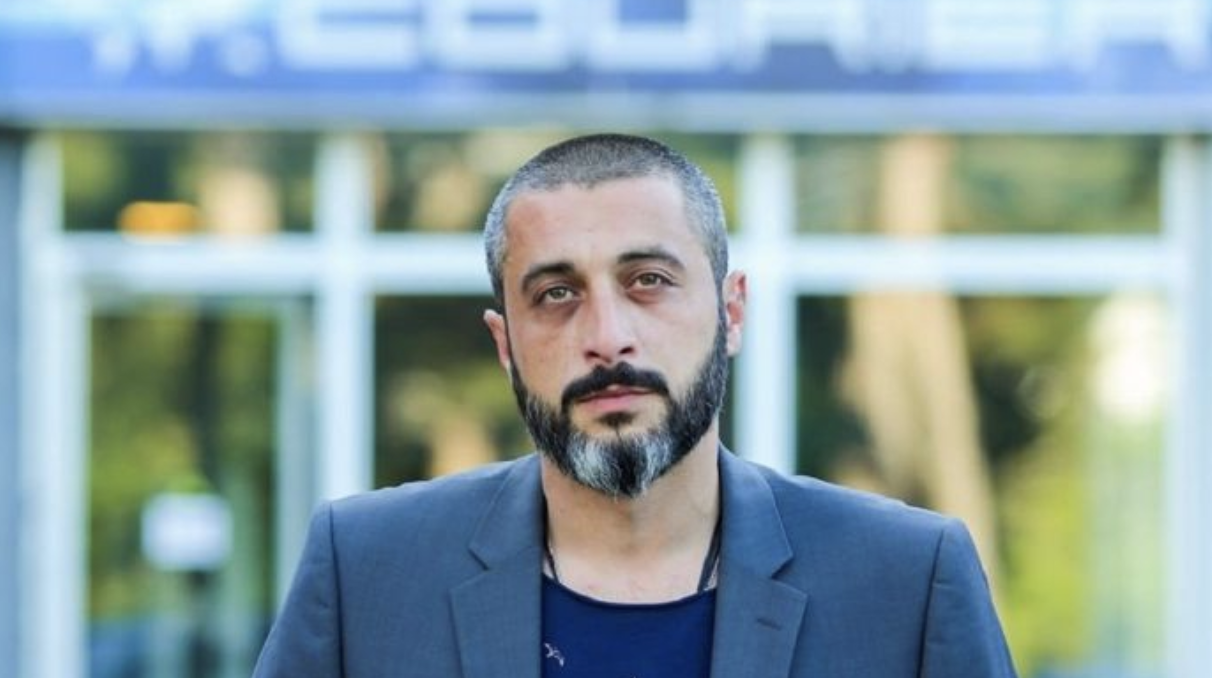
The Prosecutor’s Office has summoned “Formula” TV journalist and presenter Davit Kashiashvili for questioning. His summons is connected to a criminal case initiated against “Formula.”
On June 16, 2026, the Investigative Division of the Tbilisi Prosecutor’s Office launched an investigation into an alleged case of false accusation. The case is being investigated under Article 373, Part 1 of the Criminal Code of Georgia. The investigation was triggered by a statement from the lawyers representing film director Giorgi (Goga) Khaindrava, a supporter of “Georgian Dream,” regarding the alleged commission of a crime against Khaindrava by “Formula” TV.
According to reports, the Prosecutor’s Office is alleging a false accusation made by “Formula’s” source.
On June 2, it was revealed that 14 employees had been dismissed from the Public Broadcaster’s Adjara TV and Radio under the pretext of a so-called “reorganization.”
Among those fired are five journalists: Irina Kurua, host of the program “Satkmeli”; Maia Merkviladze, head of radio news; and journalists Teona Kharabadze, Levan Uridia, and Salome Gegeshidze. They all received their termination emails simultaneously on June 2. The emails stated that their employment contracts were being severed as part of the reorganization announced at the television station.
In an interview with the publication “Batumelebi”, Irina Kurua linked her dismissal to an attempt to suppress critical voices at the channel: “I haven’t heard a single argument explaining why my show was canceled. The email simply stated that there was no place for the program “Satkmeli” in the new broadcasting grid developed as a result of optimization. I believe they just don’t want critical opinions to be broadcast on television, as viewers regularly heard diverse and critical perspectives on this show.”
Maia Merkviladze also connects her dismissal to her critical stance toward the government:”I am interested in hearing the director’s arguments; otherwise, I have my own and I know exactly why they might have terminated our cooperation. Even though my recent health condition has prevented me from being fully active, I still believe all of this is tied to my critical attitude toward the government.”
Media advocacy organizations assess the dismissal of these journalists as a deliberate attempt to stifle critical opinion. “This is not the first instance of independent voices being marginalized at ‘Adjara TV and Radio’ and within the Public Broadcaster as a whole. Over recent years, a number of similar incidents have occurred, pointing to a consistent erosion of editorial independence by the broadcaster’s management and its subordination to political influence,” the Media Advocacy Coalition noted in its statement.
The Georgian Charter of Journalistic Ethics echoed these concerns: “These dismissals are nothing more than an attempt to drain the Adjara Public Broadcaster of critical thought. This selective, biased approach toward journalists serves the ultimate goal of clearing the information field in Adjara.”
Much like the situation at Adjara TV, firing critical journalists has also become a recurring practice at the Public Broadcaster’s First Channel. Over the past year and a half, management has dismissed numerous journalists who expressed criticism of the First Channel’s editorial policy, or has employed various other punitive measures against them