On May 1, Ekho Kavkaza, the Russian-language service of Radio Free Europe/Radio Liberty (RFE/RL) which actively covered issues related to the Russian-occupied regions of Abkhazia and Tskhinvali, suspended its operations. The media outlet released a statement regarding the decision on May 3.
Restructuring was cited as the reason for the closure.
“These measures are being taken to maintain RFE/RL’s position as an impactful, relevant, and fiscally responsible organization. We are strengthening our commitment to in-depth journalism—particularly in the areas of investigative and analytical reporting. In this restructuring process, we are saying goodbye to some truly talented colleagues who have dedicated years to RFE/RL’s mission,” said RFE/RL President and CEO Stephen Capus.
Ekho Kavkaza had been operating since 2009, covering developments and issues in occupied Abkhazia and the Tskhinvali region.
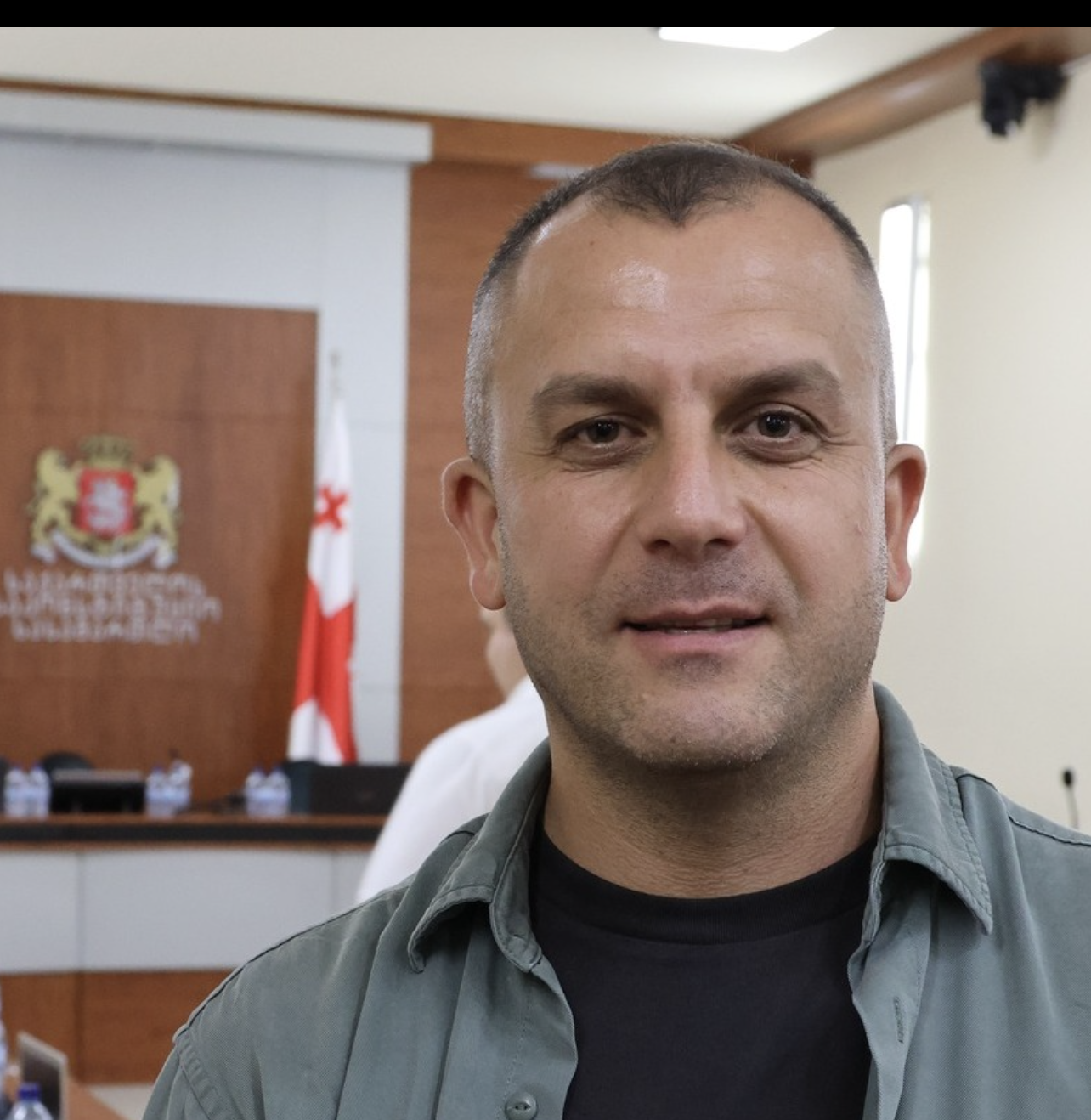
Gela Mtivlishvili, journalist and editor of Mtis Ambebi, states that on May 9, he was assaulted by Giorgi Margebadze, the head of the Small and Medium Hydro Power Plants Association.
“Right after coming off the air, I was assaulted by Margebadze, a hydro-power lobbyist and a thug-like element of ‘Georgian Dream.’ My face is injured. I have gone to the police. He will be held accountable,” Gela Mtivlishvili wrote on social media.
The incident occurred immediately after the conclusion of the show Open Space, where Giorgi Margebadze had been invited as a guest to discuss issues related to hydro power plants. The show is hosted by Nino Zautashvili. Nato Chipashvili, a representative of Green Alternative, was also a guest on the program.
Following Mtivlishvili’s report, the Ministry of Internal Affairs launched an investigation under Article 126 of the Criminal Code, which pertains to violence.
The Media Advocacy Coalition has expressed solidarity with the journalist.
“This is not the first time Gela Mtivlishvili has been targeted by threats, pressure, and violence. Over the years, numerous aggressive campaigns have been waged against him, including by high-ranking officials from ‘Georgian Dream.’ Impunity and a merely formal justice system not only fail to protect journalists and effectively investigate violence, but on the contrary, they encourage such crimes and create an even more dangerous environment for media representatives,” the statement reads.
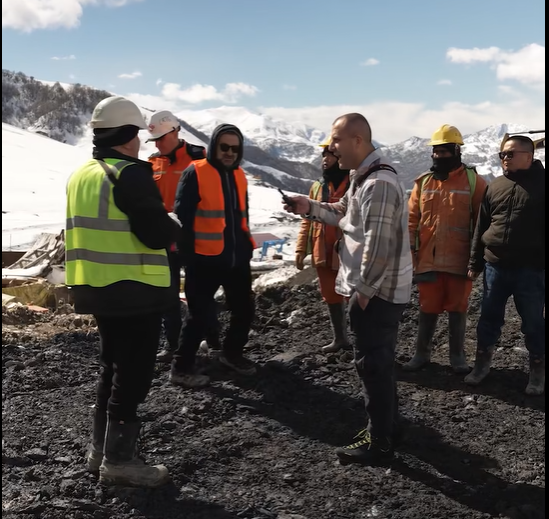
The film crew of the online publication Mtis Ambebi was unlawfully obstructed while working in the village of Tskere, in the Khada Gorge. Under threats of violence and death, the journalists were forced to stop filming and leave the village.
The incident occurred on April 1. The crew traveled to the gorge after reports emerged that a landslide, caused by the construction of the Kvesheti-Kobi road, had swept away several local graves.
The crew was on-site to document the unfolding events in the village. The journalists arrived just as the relocation of a young man’s body from the collapsed cemetery was about to begin. However, they were prevented from moving freely. According to the publication, representatives of a Chinese company, along with supervisors and employees of the Roads Department, insistently demanded that they stop filming. On the orders of their manager, the company’s hired workers physically obstructed the crew, prevented them from operating a drone, and threatened to smash their equipment.
According to Mtis Ambebi, the Shida Kartli Regional Prosecutor’s Office has launched an investigation into the attack and the unlawful interference with the journalists’ professional activities under Article 154, Part 2 of the Criminal Code of Georgia. This article pertains to the unlawful interference with a journalist’s professional duties through threats of violence or abuse of official position. The crime is punishable by a fine or imprisonment for up to two years.
The Georgian Charter of Journalistic Ethics expressed deep concern over the incident. In a statement, they noted that the attack bears clear signs of a criminal offense. The Charter calls on the Prosecutor’s Office to investigate the case quickly and effectively, and urges the Ministry of Internal Affairs to ensure a safe working environment for journalists.

The TV channel Euronews Georgia is changing its format and, starting in 2026, will no longer cover news from Georgia. In an official statement, the channel linked this decision to financial resources.
“Analysis of the financial situation revealed that, given the trends in the television advertising market in Georgia, the current broadcasting model of the channel cannot generate sufficient financial resources to cover the channel’s operating expenses and the financial obligations under the franchise agreement with Euronews SA. Considering the above factors, a decision has been made, within the company’s strategic development framework, to transition the channel to a new format,” the statement said.
According to the same statement, under the updated model, the main focus will be on international content adapted for the Georgian audience.
Euronews Georgia was founded in 2019 by the international channel Euronews and its partner Silknet. The chairman of Silknet’s supervisory board is businessman Giorgi Ramishvili. The channel began broadcasting in Georgia in 2020. In the past two years, seven media outlets in Georgia have ceased operations for various reasons.
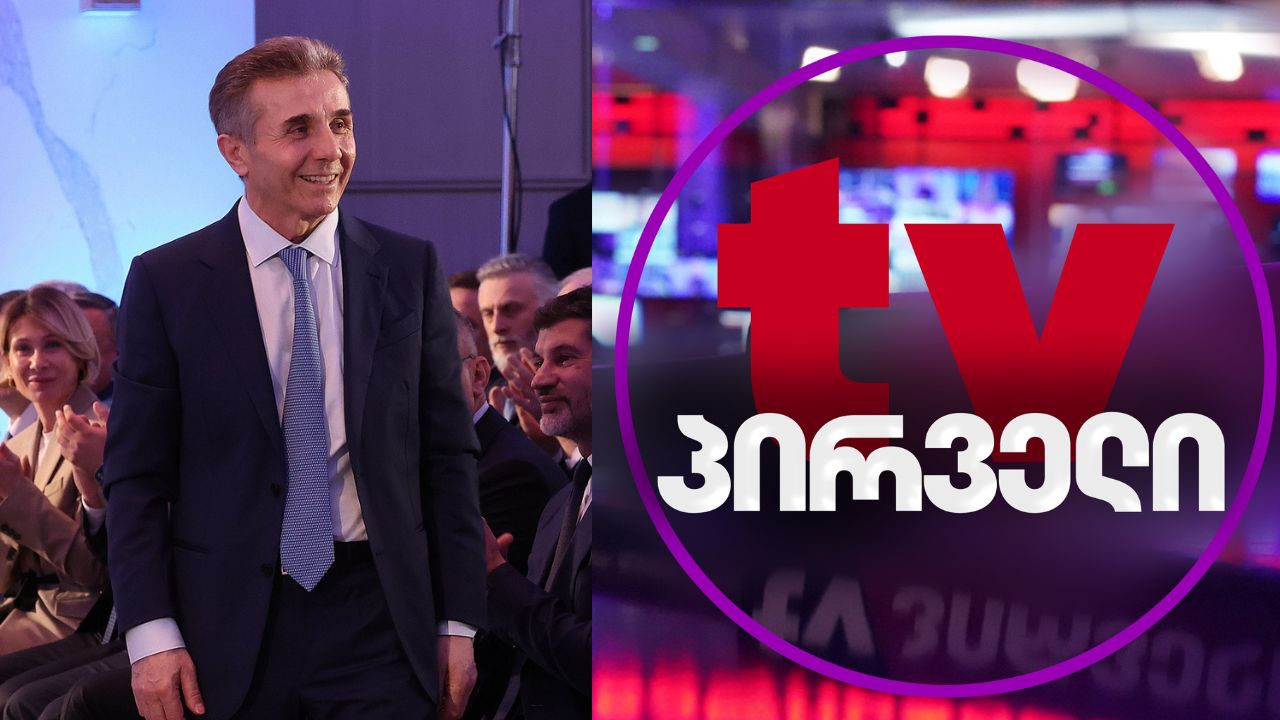
“Cartu Bank,” 35% of which is owned by oligarch Bidzina Ivanishvili’s son, Uta Ivanishvili, is suing “TV Pirveli” for defamation. The plaintiff demands that the channel not refer to the bank as “Ivanishvili’s” or “the oligarch’s” bank.
According to Nodari Meladze, head of TV Pirveli’s news department, the report that prompted the lawsuit was aired in a news broadcast and was based on a resolution of the European People’s Party (EPP), which called for Cartu Bank to be disconnected from the international payment system SWIFT.
“They are demanding that this report not be posted on online platforms. Apparently, this issue is problematic for the bank, and they are seeking a court ban on media use of terms like ‘Ivanishvili’s bank’ or ‘oligarch’s bank,’” Meladze told Netgazeti. He also noted that Cartu Bank is seeking only a denial of the facts presented in the report, not monetary compensation.
According to the Media Advocacy Coalition, this lawsuit represents another case of Strategic Lawsuit Against Public Participation (SLAPP): “This case is another clear example of the targeted repressive policy toward the media conducted by Bidzina Ivanishvili’s ‘Georgian Dream,’” the organization said in a statement.
On February 15, 2025, Mtavari Arkhi’s broadcasting was suspended. According to a statement released by the TV station, all programming has been halted due to a financial crisis allegedly manufactured by Zaza Okuashvili, the channel’s co-founder.
Mtavari Arkhi had already issued a statement a few weeks earlier about an escalating internal conflict between the founders.
It is worth noting that the broadcasting sector is facing serious challenges. This year alone, two regional broadcasters have already ceased operations. In such a context, the suspension of independent media outlets significantly harms an already fragile pluralistic media environment.