Tbilisi City Court Rules Against Ousted Public Broadcaster Journalist Nino Zautashvili

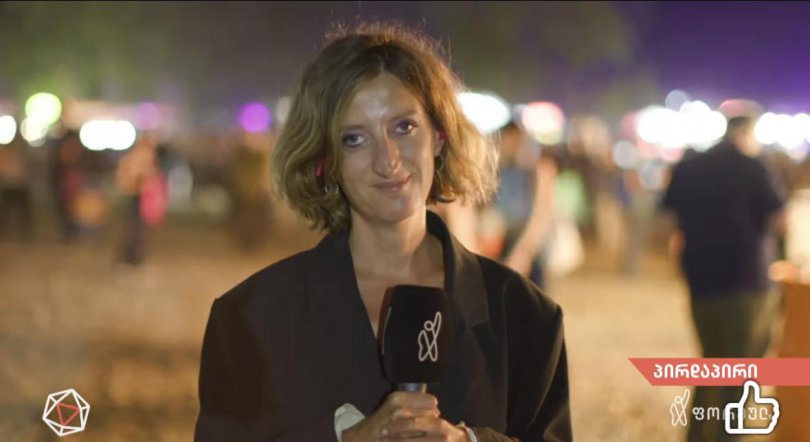
Tbilisi City Court Judge Ekaterine Eliadze has dismissed the lawsuit filed against the Public Broadcaster by Nino Zautashvili, a journalist and presenter who was fired from the channel.

According to Zautashvili’s lawyer, Giorgi Iasashvili, they were seeking to have the dismissal order annulled and for her to be reinstated to her position.

“I know I will see this case through to the end, and I won’t begrudge the time or energy it takes. I know for a fact that I am right, and the judge knew the truth was on my side as well. In these incredibly difficult times, when so many unjust decisions have been made, the primary and most vital task remains ensuring the institutional independence of the judiciary,” Nino Zautashvili told Mediachecker.

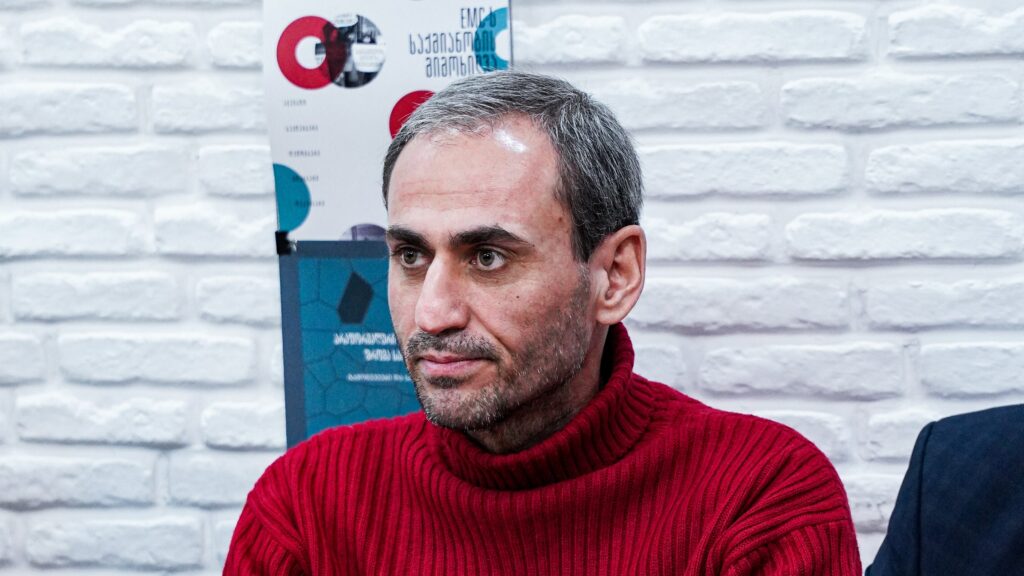
The Tbilisi City Court also dismissed a lawsuit filed by Vasil Ivanov-Chikovani, a former presenter for the news program Moambe, who was also seeking to overturn his dismissal from the Public Broadcaster. This decision was later upheld by the Court of Appeals.

The Public Broadcaster dismissed Nino Zautashvili, the host of the program Real Space, along with Vasil Ivanov-Chikovani, on April 11, 2025.

Journalists’ Accounts Frozen Without Prior Notice of Fines

On April 15, according to TV Pirveli, the bank accounts of Maka Chikhladze, a journalist for the channel’s Saturday broadcast, were frozen. On social media, Irakli Datunashvili (known online as Leo Nafta), the Georgia editor for the online publication JamNews, also wrote that his bank accounts had been frozen. According to his information, the basis for the freeze is cited as a fine from October 15, the existence of which he had not been informed of until now.

According to Nodar Meladze, head of the news service, Maka Chikhladze was covering ongoing events on Rustaveli Avenue in the line of professional duty on October 15, 2025, which led to her being fined 5,000 GEL on charges of “artificially blocking the road.” He stated that the journalist was not notified of this fine and subsequently had her accounts frozen.

Maka Chikhladze herself states that she only learned about the existence of the fine after her accounts were frozen.

“In such a large agency as the Ministry of Internal Affairs, they couldn’t find the resources to send me a single SMS… if they had simply notified me that I had been fined, I would have looked into it and proven that I was performing my professional duties. I didn’t know about it until my accounts were frozen,” Chikhladze said.

In her assessment, the case may be related to her journalistic activities. “I believe this is an act of revenge and has nothing to do with the law on assembly and manifestation or any actual violation,” she noted. Chikhladze also points out that representatives of other media outlets were also working at the scene, yet she was the only one targeted with a fine.

On December 7, 2024, on Besiki Street in Tbilisi, TV Pirveli journalist Maka Chikhladze and cameraman Giorgi Shetsiruli were attacked and physically assaulted by unidentified masked individuals while working on a live broadcast. The investigation launched into that incident has not yet been concluded.

TV Formula Journalist Liza Tsitsishvili’s Accounts Frozen

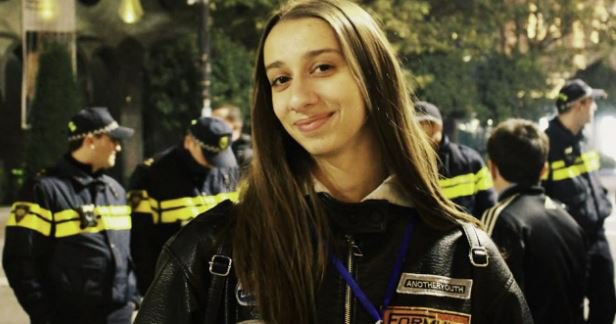
The bank accounts of TV Formula journalist Liza Tsitsishvili have been frozen. According to the journalist, it was discovered that she had been fined 5,000 GEL on the grounds of “artificially blocking the road” while performing her professional duties on Rustaveli Avenue on September 10, 2025.

The journalist had not received any notice regarding the fine. Furthermore, she states that since September, she has been detained once and has even crossed the national border, yet in neither instance was she informed that she had been fined.

According to publicly available information, more than 40 fines have been issued against journalists for “artificially blocking the road” between October 26, 2024, and the present day.

Azerbaijani Journalist Afghan Sadygov Detained, Fined, and Expelled from Georgia

On the night of April 4, 2026, Azerbaijani journalist Afghan Sadygov was detained in Georgia. Information regarding his arrest was initially released by his wife, who published surveillance footage showing law enforcement officers attempting to cut through the door of Sadygov’s home.

Following the news of the arrest, the Ministry of Internal Affairs of Georgia issued a statement noting that the journalist was detained for an offense under Article 173 of the Administrative Offenses Code—insulting a police officer on social media.

Afghan Sadygov’s trial took place late that same night. Tbilisi City Court Judge Tornike Kochkiani found Sadygov guilty and fined him 2,000 GEL. Additionally, he was ordered to be expelled from Georgia and banned from re-entering the country for a period of three years. The decision was announced at dawn, around 4:00 AM.

Afghan Sadygov was a critic of Azerbaijani President Ilham Aliyev’s regime, for which he faced persecution in Azerbaijan. He arrived in Georgia with his wife and two minor children on December 24, 2023. Azerbaijan had been demanding Sadygov’s handover for nearly two years. His lawyers considered such a move dangerous and appealed the Georgian courts’ decisions regarding his extradition to the European Court of Human Rights (ECHR). There was an interim measure in place from the ECHR issued in 2025, which prohibited Georgia from extraditing Sadygov to Azerbaijan due to the threat of torture and political persecution. According to the Georgian Young Lawyers’ Association, Sadygov’s expulsion is a grave violation of the European Convention on Human Rights and Georgian legislation, used as a tool for political retribution.

The Charter of Journalistic Ethics of Georgia expresses solidarity with Afghan Sadygov and condemns his expulsion from the country. The Charter calls on international organizations working on journalists’ rights to pay close attention to Sadygov’s case, ensure his safety, and do everything in their power to protect the journalist in Azerbaijan, where he is currently located. In the assessment of the Media Advocacy Coalition, the expulsion of Afghan Sadygov is “a gross violation of international law and part of a policy directed against freedom of speech and independent journalists, which ‘Georgian Dream’ has been implementing for several years.”

Tbilisi City Court Dismisses TV Pirveli Journalists’ Lawsuit Against Pro-Government POSTV

Tbilisi City Court has dismissed a lawsuit filed by TV Pirveli journalists Nanuka Kajaia, Natalia Kajaia, and Mariam Gaprindashvili against the pro-government outlet POSTV. The journalists sued POSTV for defamation following reports alleging they received $30,000 salaries from Temur Chkonia, the businessman and founder of Coca-Cola.

According to TV Pirveli lawyer Tornike Migineishvili, although the burden of proof rested with the defendant under the law, the plaintiffs submitted numerous documents to the court. These included: a recording of a phone conversation with Temur Chkonia; salary and employment records from TV Pirveli; bank statements from every commercial bank covering several years of transactions for each journalist; and rulings confirming that POSTV had violated journalistic standards in preparing the segment. They also presented all stories and statements demonstrating the “TV company’s” sole intent: an attempt to discredit the plaintiff journalists. Nevertheless, the dispute ended in a victory for the sanctioned media outlet.

At the same time, the lawyer emphasized that the opposing side failed to present a single piece of documentation.

Attempt to Restrict Artist’s Work During Proceedings at Tbilisi City Court

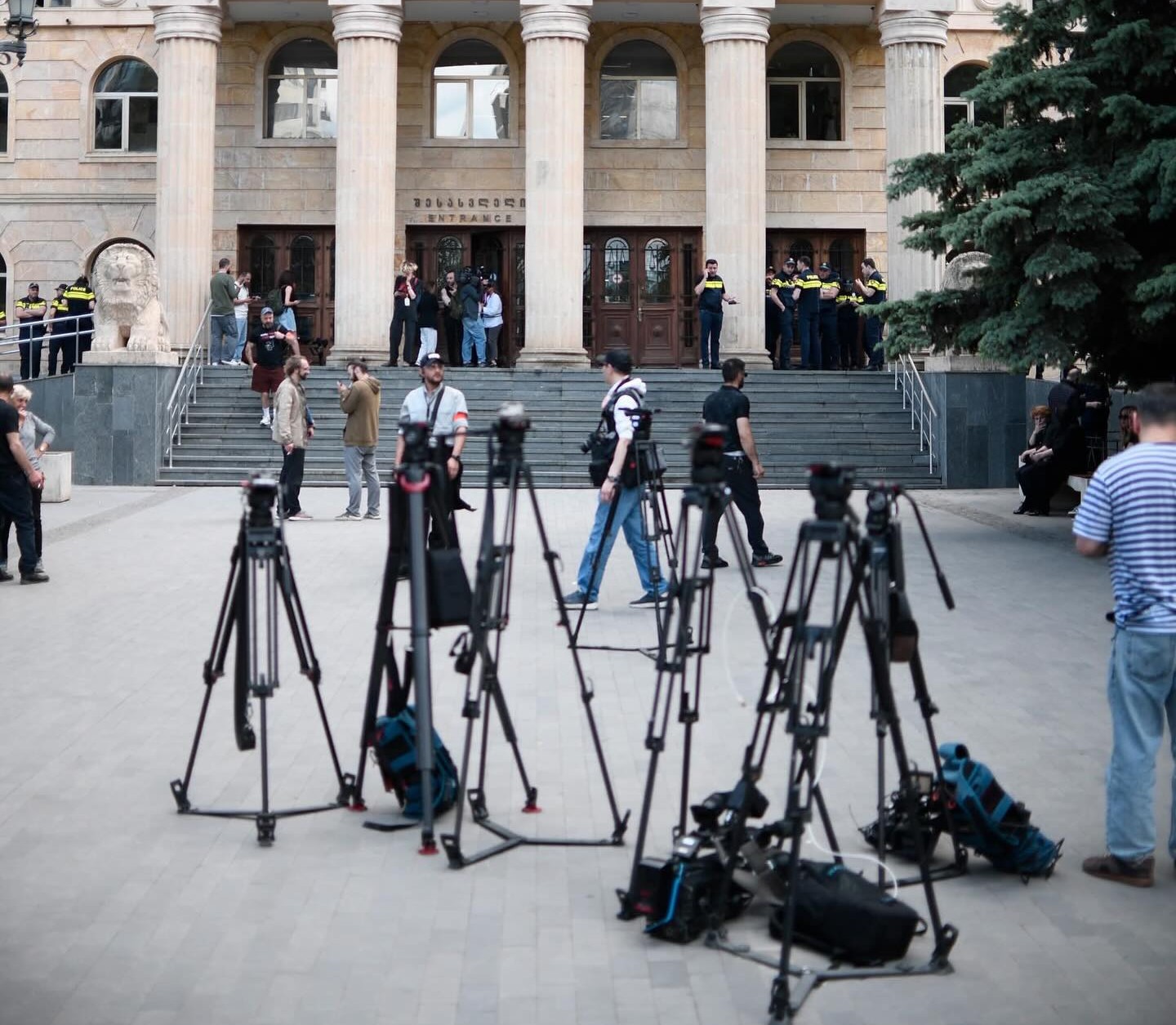
Given the ban on photography, video, and audio recording in courtrooms, sketches produced by artists remain one of the few ways to visually document legal proceedings. Despite this, during the March 18 hearing for Anton Chechin, Sergei Kukharchuk, and Artyom Gribul, Judge Nato Khujadze attempted to restrict an artist’s work, directing that “faces should not be flaunted.” After defense lawyers clarified that sketching is not prohibited—a point the prosecutor also conceded—the artist was allowed to continue working, though with the restriction that faces not be depicted.

This situation unfolds against the backdrop of legislative amendments passed in June 2025, which effectively banned recording in courtrooms. These changes have significantly complicated media coverage of trials and diminished the public’s access to information.

The court is currently holding a pretrial hearing for a new case involving Anton Chechin, Sergei Kukharchuk, and Artyom Gribul. The Russian and Ukrainian nationals, who have already been convicted in cases related to protest rallies, are now being accused of “group playing of handmade cards” while in the penitentiary facility. This charge carries a sentence of 3 to 5 years in prison. Chechin and Gribul are already serving 8.5-year sentences, while Kukharchuk is serving a 2-year sentence. Following the new charges, the prisoners were transferred to separate cells.

Law Enforcement Accuses Netgazeti Journalist of “Blocking the Road” While Performing Professional Duties

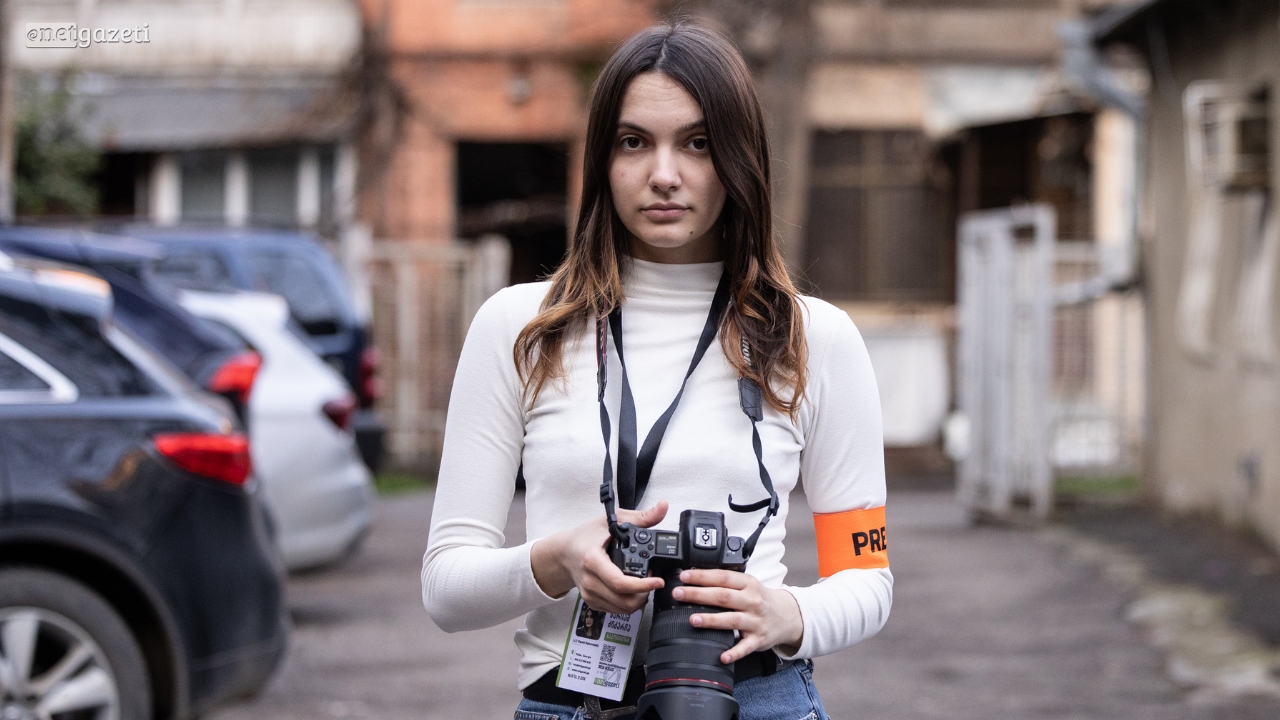
The Georgian Ministry of Internal Affairs (MIA) is accusing Mariam Dzidziaria, a journalist for the online publication Netgazeti, of “blocking the road” on Rustaveli Avenue. The charges stem from the “Saturday March” rally held on January 31, 2026, where Dzidziaria was performing her professional duties. According to Netgazeti, while covering the protest, Mariam was wearing a press badge and a “PRESS” armband, and was carrying a camera.

On March 6, it was revealed that administrative proceedings on identical charges have been initiated against two other media representatives. The MIA is also accusing Tabula journalist Mariam Kuprava and photographer Giorgi Tarkhnishvili of “blocking the road” while fulfilling their professional duties.

The Georgian Charter of Journalistic Ethics stated that the MIA’s stance toward journalists covering protest rallies raises serious suspicions that the true objective of law enforcement is to intimidate them and force them to stop informing the public about protest sentiments. “Systemic pressure on journalists and the media violates the public’s right to be informed and damages the country’s interests,” the Charter’s statement reads.

Under the repressive legislative amendments passed by “Georgian Dream,” blocking a roadway has become a punishable offense. This is prohibited under Article 174-prime, Part 10 of the Administrative Offenses Code. Later, standing on the sidewalk was also integrated into this same article, leading to the prosecution of protesters as well.

Violating this article carries a penalty of up to 15 days of administrative detention (up to 20 days for organizers). Administrative detention does not apply to pregnant women, mothers with children under 12, minors, or persons with severe or significant disabilities. Instead, they face a fine of 5,000 GEL, or 15,000 GEL if they are an organizer. A repeat of the same “offense” leads to criminal liability.

Since October 26, 2024, more than 40 citations have been issued to journalists on charges of “blocking the road.”

Ministry of Internal Affairs Accuses Photographer Giorgi Tarkhnishvili of “Blocking the Road” While Performing Professional Duties

The Ministry of Internal Affairs (MIA) is accusing photographer Giorgi Tarkhnishvili of obstructing pedestrians by standing on the sidewalk while performing his professional duties. The case pertains to a protest on December 18, 2025, where the photographer was working on assignment.

The court hearing for this case was held on March 6, 2026. Judge Davit Makaradze of the Administrative Cases Panel of the Tbilisi City Court examined the evidence but deferred the announcement of the verdict.

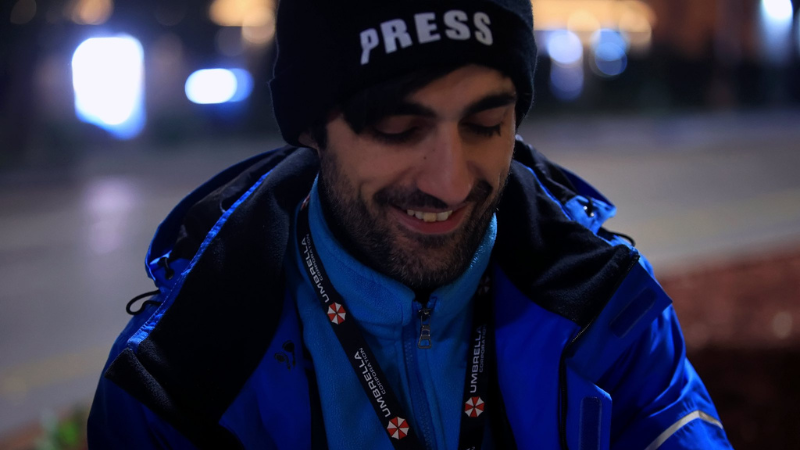
“We presented documents proving he is a journalist, as well as the badges he was wearing. Even his hat is marked ‘PRESS,’ and he is holding a large camera. All of this proves he was fulfilling his professional duties, and the video presented by the MIA clearly shows him taking photos or videos,” Tarkhnishvili’s lawyer, Giorgi Tabatadze, stated in an interview with MediaChecker.

On March 6, it also became known that administrative proceedings on the same charges had been initiated against another media representative. The MIA is similarly accusing Tabula journalist Mariam Kuprava of “blocking the road” while performing her professional duties.

According to a statement from the Georgian Charter of Journalistic Ethics, the MIA’s stance toward journalists covering protests raises a well-founded suspicion that the true goal of law enforcement is to intimidate them and force them to stop informing the public about protest activities. “Systemic pressure on journalists and the media violates the public’s right to be informed and harms the country’s interests,” the Charter’s statement reads.

Under the repressive legislative amendments passed by “Georgian Dream,” blocking a roadway has become a punishable offense. This is prohibited under Article 174-prime, Part 10 of the Administrative Offenses Code. Later, standing on the sidewalk was integrated into this same article, leading to the prosecution of protesters as well.

Violating this article carries a penalty of up to 15 days of administrative detention (up to 20 days for organizers). Administrative detention does not apply to pregnant women, mothers with children under 12, minors, or persons with severe or significant disabilities. Instead, they are subject to a fine of 5,000 GEL, or 15,000 GEL if they are identified as an organizer. A repeat of the same “offense” leads to criminal liability.

Since October 26, 2024, approximately 40 citations have been issued to journalists on charges of “blocking the road.”

Ministry of Internal Affairs Accuses Tabula Journalist of “Blocking the Road” While Performing Professional Duties

The Georgian Ministry of Internal Affairs (MIA) has accused Mariam Kuprava, a journalist for the online publication Tabula, of “blocking the road” on Rustaveli Avenue. The accusation stems from a protest on February 7, 2026, while Kuprava was performing her journalistic duties covering the “Saturday March.” In an official report filed on February 9, the MIA claims that “Mariam Kuprava artificially blocked the motorable part of the roadway.”

The Georgian Charter of Journalistic Ethics issued a statement arguing that the Ministry’s stance toward journalists covering protests raises serious suspicions. They suggest the true objective of law enforcement is to intimidate and force journalists to stop informing the public about protest sentiments: “Systemic pressure on journalists and the media violates the public’s right to be informed and damages the country’s interests,” the Charter stated.

Under repressive legislative amendments passed by “Georgian Dream,” blocking a roadway has become a punishable offense under Article 174-prime, Part 10 of the Administrative Offenses Code. Later, standing on the sidewalk was also integrated into this same article, leading to the prosecution of protesters as well. Violation of this article carries a penalty of up to 15 days of administrative detention (up to 20 days for organizers). Administrative detention is not applied to pregnant women, mothers with children under 12, minors, or persons with severe or significant disabilities; instead, they face a fine of 5,000 GEL, or 15,000 GEL if identified as an organizer. Repeatedly committing the same “offense” leads to criminal liability.

Since October 26, 2024, approximately 40 citations have been issued to journalists on charges of blocking the road.

Update:

On April 2, Judge Tornike Kapanadze of the Administrative Cases Panel of the Tbilisi City Court dismissed the “road blocking” case against Mariam Kuprava. According to her lawyer, Nika Simonishvili, even the footage submitted by the Ministry of Internal Affairs clearly showed the Tabula journalist wearing press identification and performing her professional duties on-site.

Supreme Court Refuses to Hear Appeal of Mzia Amaghlobeli, Founder of “Batumelebi” and “Netgazeti”

On March 4, 2026, it was revealed that the Supreme Court of Georgia refused to hear the appeal of the imprisoned journalist Mzia Amaghlobeli, the founder and director of the publications Batumelebi and Netgazeti. The court’s refusal to accept the appeal for consideration, or declaring it inadmissible, means that the court will not review the merits of the case at all and leaves the Court of Appeals’ decision in force. With this step, the judicial review of Mzia Amaghlobeli’s case in Georgia has concluded across all court instances.

Mzia Amaghlobeli was arrested twice during the protest rally in Batumi on the night of January 11-12, 2025. She was initially detained for placing a protest sticker on the wall of an auxiliary storage room at the Batumi Police Department, which read: “Georgia is Striking.” Police officers removed the sticker immediately after it was posted. A few hours after her arrest, Mzia Amaghlobeli was released on her own recognizance, but she was soon arrested again for slapping the head of the Batumi Police, Irakli Dgebuadze. An investigation was launched against the journalist under the first part of Article 353-prime of the Criminal Code. Mzia Amaghlobeli had been placed in pretrial detention as a preventative measure. On August 6, 2025, Judge Nino Sakhelashvili of the Batumi City Court reclassified the charges against Mzia Amaghlobeli under the first part of Article 353 and sentenced her to two years in prison.